In the light of the incredible artistic trajectory they inaugurate, the afternoons that Louise Bourgeois (1911-2010) spent drawing in the tapestry restoration workshop of the family house in Choisy appear as her true birth.
After a brief stint at the Fine art school in 1932, she multiplied the training courses in the free academies of Paris: first at La Grande-Chaumière - founded in 1870 by the Italian sculptor Filippo Colarossi - and then at the Académie Ranson, real landmark for Nabis painters from 1908, and finally at the famous Julian Academy before starting studies at the Ecole du Louvre, from 1936.
The teaching she receives is classical, as evidenced by the studies in charcoal La Venus de Milo and Antinous, the house PIASA adjudged on June 3, 2015 for 5,104 euros and 6,380 euros.
In parallel with the courses she follows, Louise Bourgeois attends artist workshops, including that of Andre Lhote, Fernand Léger and - during a stay in the south of France - of Pierre Bonnard.
In 1937, his encounter with American art historian Robert Goldwater precipitated his fate. She left France at her side and moved to New York the following year where she frequented the surrealist diaspora.
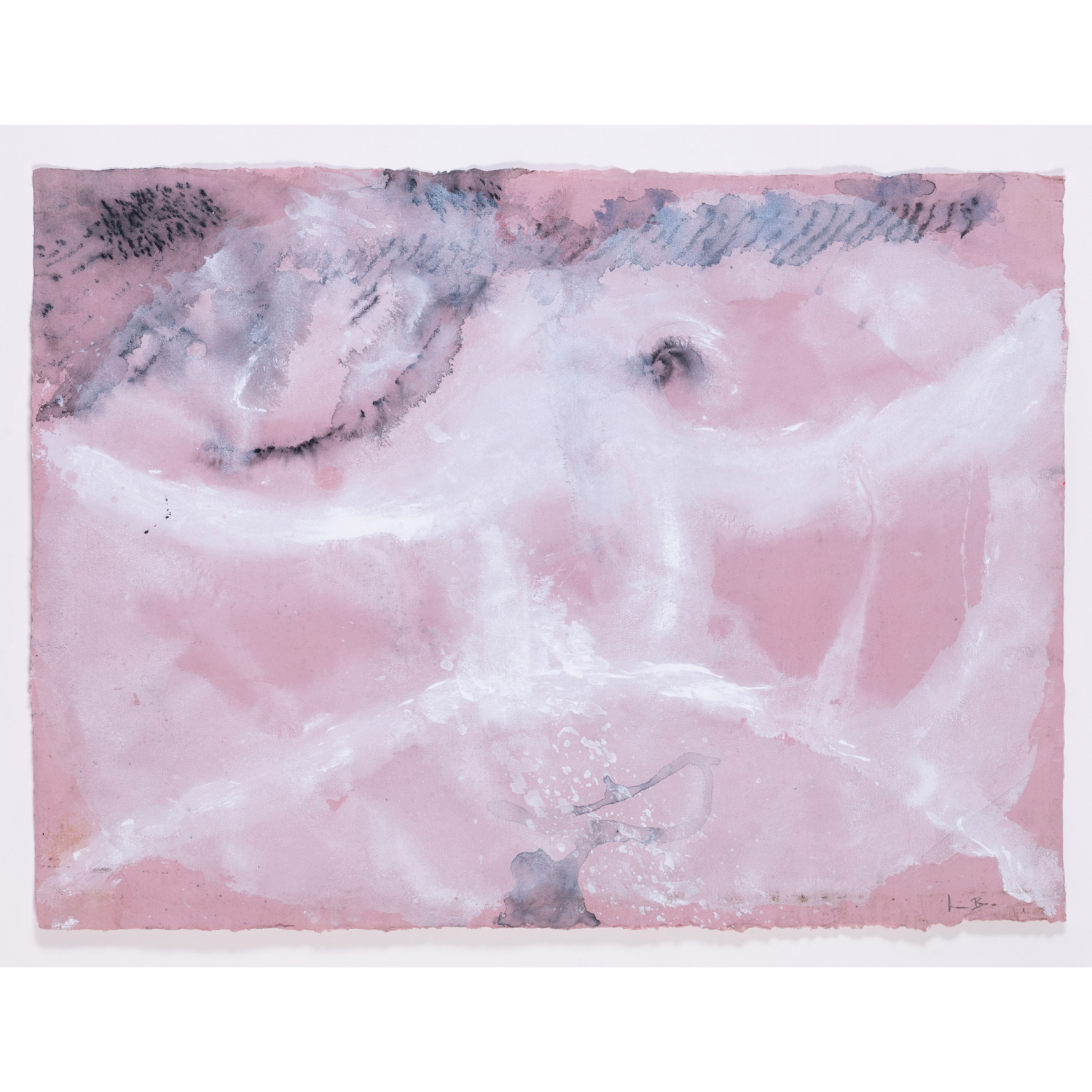
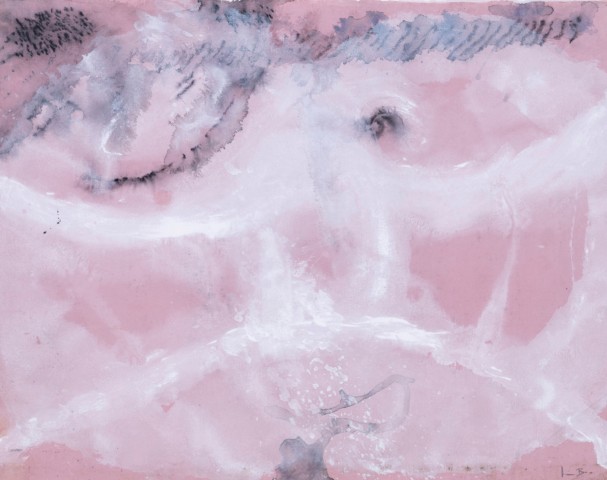
Louise Bourgeois (1911-2010) Eyes, 1992
Estimate : 40000 / 60000 €
"Eyes", the piece that PIASA offers for sale on September 26, 2019, done in watercolour and gouache, dates from 1992. It is signed with the initials of the artist "LB" at the bottom right.
The themes of vision and look are recurrent in the work of Louise Bourgeois, especially from the 1980s. The eye pattern is found for example in installations, such as "Study of Nature Velvet Eyes" (1984) preserved in the collection of the Gallery in Zurich or in the version realized ten years later "Cell (eyes and mirrors)", presented at the Tate Gallery.
In the vocabulary of an artist marked by the practice of psychoanalysis – eyes are symbols the very strong interweaving between sight, knowledge and power.
Concomitant with the development of the themes of femininity, sexuality and the family, the 1970s are those of the first successes of the artist. These will culminate with his first retrospective at the MoMA in 1982-1983 and, more recently, with the exhibition of more than 200 works, masterfully orchestrated by the National Museum of Modern Art in partnership with Tate (2008).