


Carlo Scarpa was born on June 2, 1906 in Venice, all his life he maintained an almost intimate relationship with this city that made the city and his work inseparable. His lagoon roots are not insignificant and allow us to understand, or discover, his work. In a city where everything is frozen by beauty, Carlo Scarpa has designed places that are intertwined with the past, respecting it to the point of inventing it.
Carlo Scarpa was admitted to the Accademia di Belle Arti in Venice in 1920, and simultaneously with his studies he worked in the office of the Venetian architect Vincenzo Rinaldo. In 1926 he graduated as an architectural draughtsman and became assistant to Professor Guido Cirilli at the Faculty of Architecture in Venice where, in 1933, he was appointed to teach certain courses.
Result : 27300 € |  Result : 114400 € |
Carlo Scarpa belongs to the generation that is being formed between the two wars, when architecture passes from the decadence of the last Liberty style to the rhetoric of fascist monuments. He rejects academic teaching and studies on his own account the masters of Art Nouveau, especially Joseph Maria Olbrich and Josef Hoffmann, and the architecture of his native city, mainly the works of Andrea Palladio.
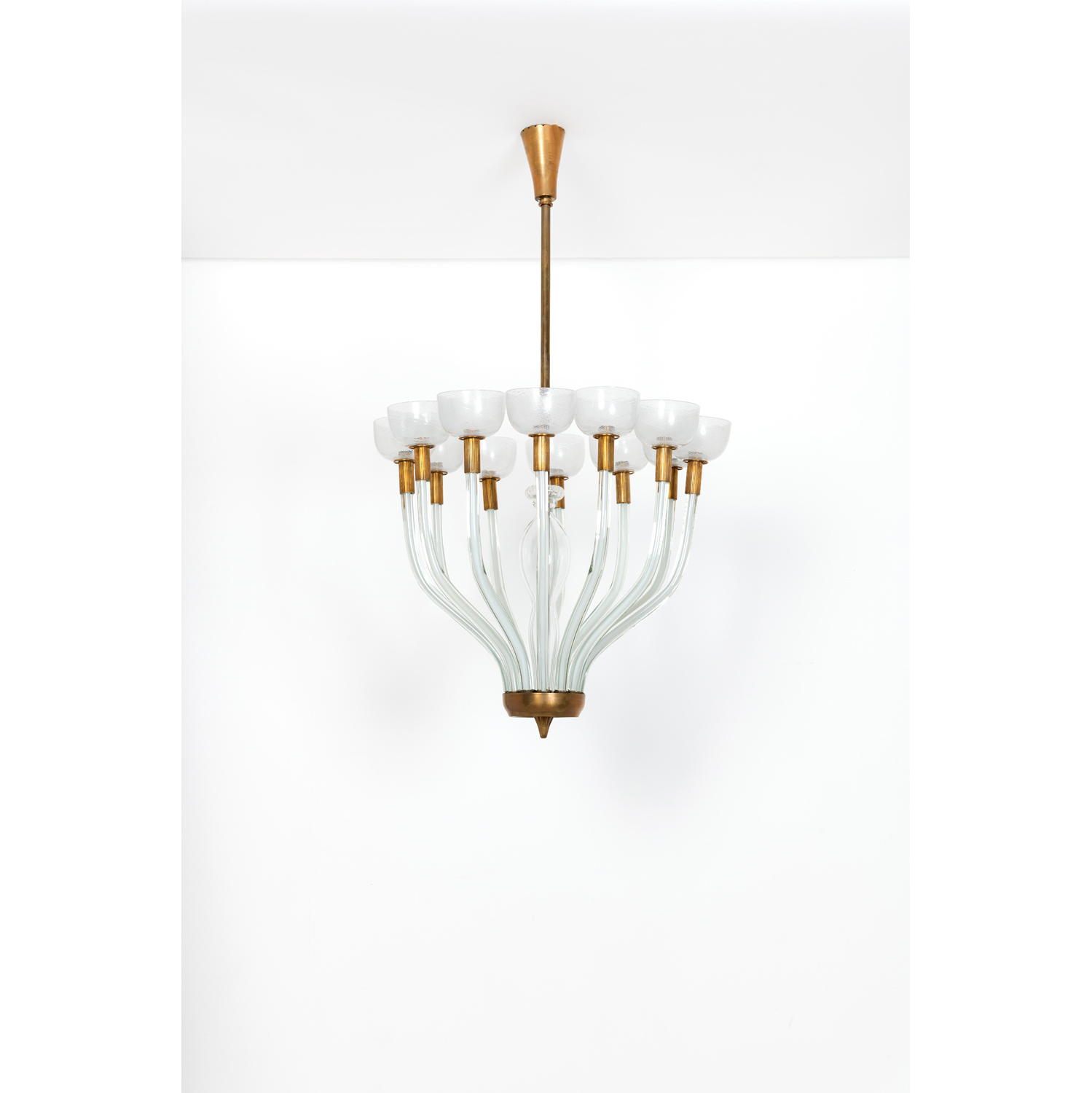
Between 1927 and 1947, Carlo Scarpa made very few pieces : some interior fittings and a few projects. He mainly worked with glass in the Murano workshops, where he learned the secret of the patient, conscious and measured realisation of "objects". From this experience came his passion for "touching things", which explains his intimate knowledge of the texture of Venice, its stones, its materials and the different techniques used to create them. This passion for textures will remain the major characteristic of his work. His isolation in Murano, "the only thing possible" during the dark years of Fascism, did not prevent him from keeping abreast of the new directions of the plastic arts in Europe. He will therefore respond to the call for renewal launched in 1948 by G. Samonà, director of the University Institute of Architecture in Venice. In the same year, he organized the presentation of the exhibition "Paul Klee" for the XXIV Biennale. For the first time he addressed the problem of art exhibitions in this way: "To place a work of art correctly implies understanding its nature, its character, its most specific essence. "This experience will form the basis of his ideas, a discourse on museography, which he will develop many times thereafter.
 Samo Result : 16900 € | 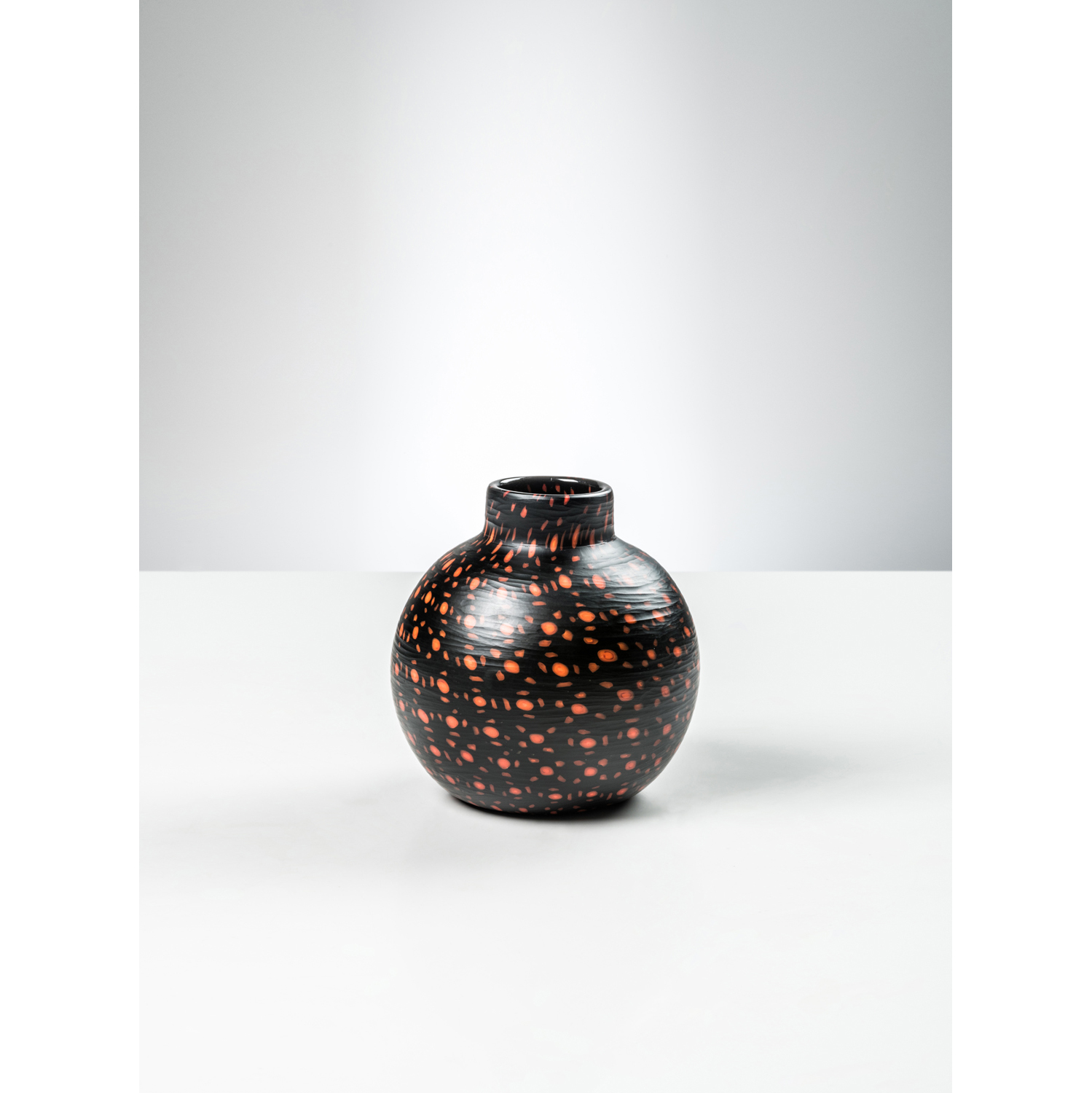 Result : 12350 € |
This collaboration with the Murano factory, first Cappellino and then Venini, allowed him to develop his attraction for experimentation, craftsmanship and a taste for detail. The same care is found in the following years in his restorations and staging of his works, which are distinguished by the refinement and expressiveness of the different materials, the alternation of chromatic nuances and the juxtaposition of tactile properties (smooth and rough or rough surfaces), the conceptual clarity between horizontal and vertical elements. Carlo Scarpa and other artists have regenerated the image of glass art.
From the early 1950s onwards, Carlo Scarpa restored and refurbished a number of museums, including Palazzo Abatellis in Palermo, the Museo civico di Castelvecchio in Verona or, to name but a few, the Quadreria of the Correr Museum or the galleries of the Accademia in Venice.
Result : 22100 € | Result : 65000 € |
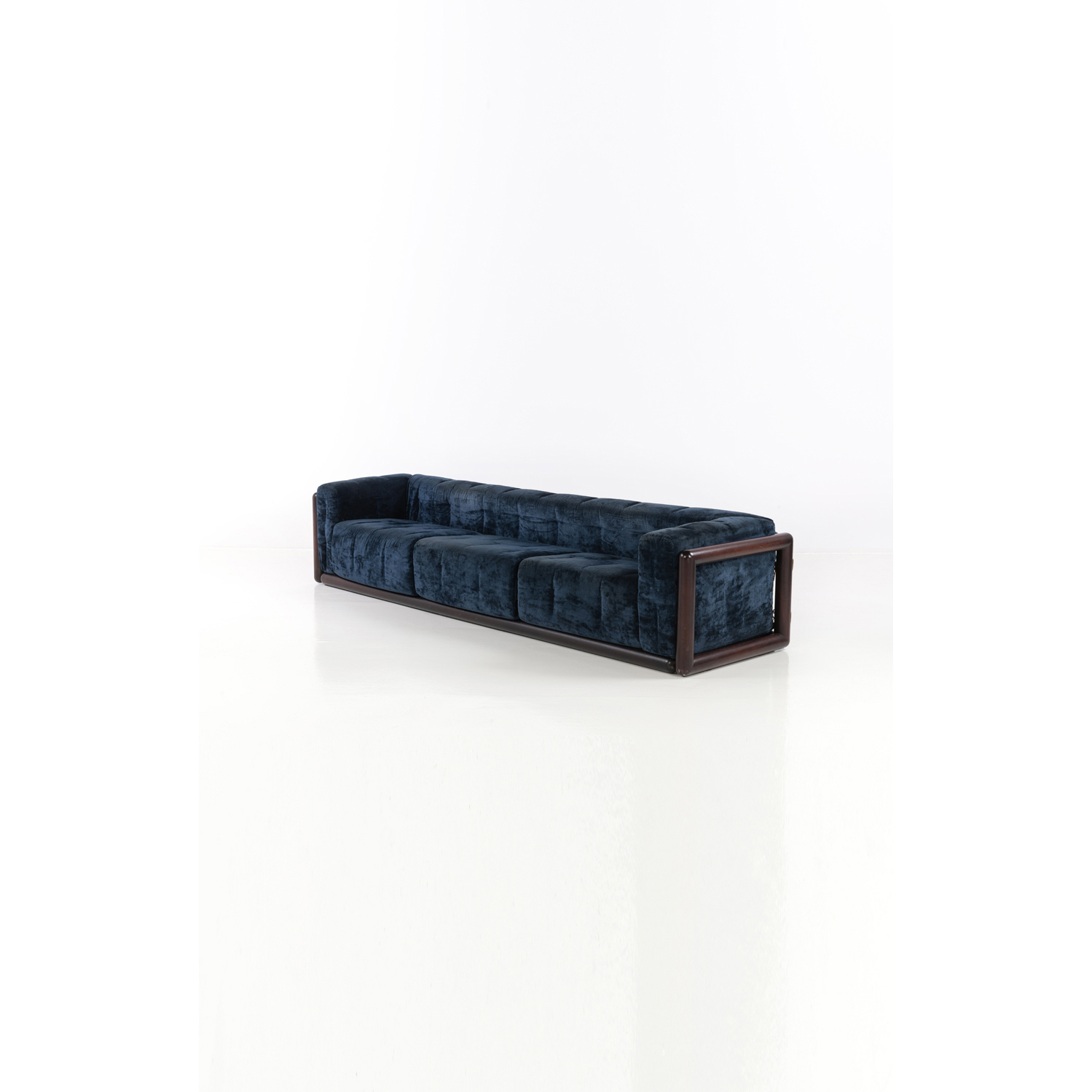
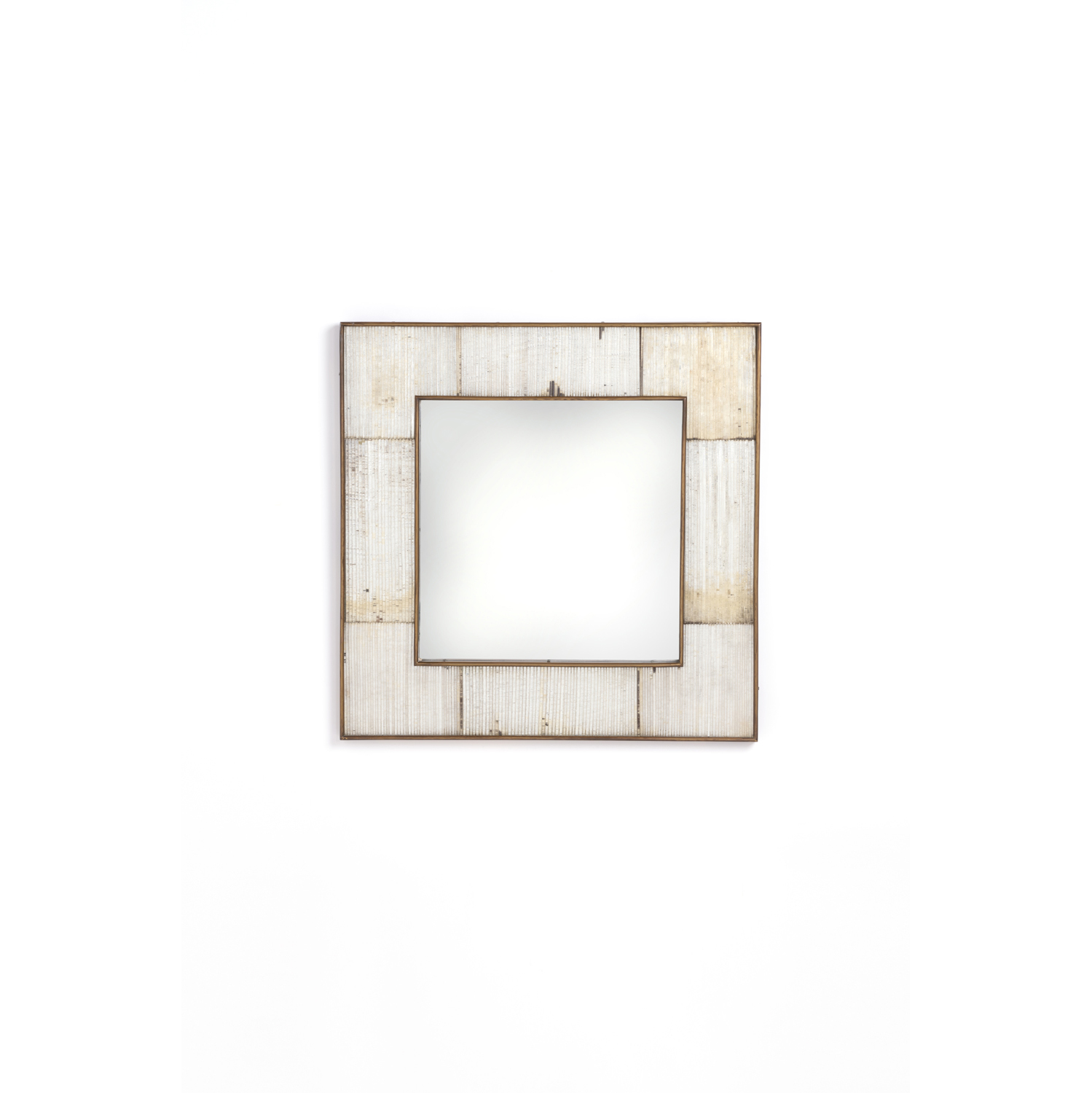
He also restructured many shops and company headquarters, of which the most noteworthy projects are undoubtedly the Olivetti shop in Piazza San Marco in Venice and the headquarters of the Banca Populare di Verona. In the world of architecture, Carlo Scarpa represents a model, on a par with Le Corbusier, for the new generations of architects. From architecture to glass work, from design to exhibition design, Carlo Scarpa's work has always stood out for its unique ability to combine a love of materials, a sense of detail and a skilful use of organic poetry.
Result : 24700 € | 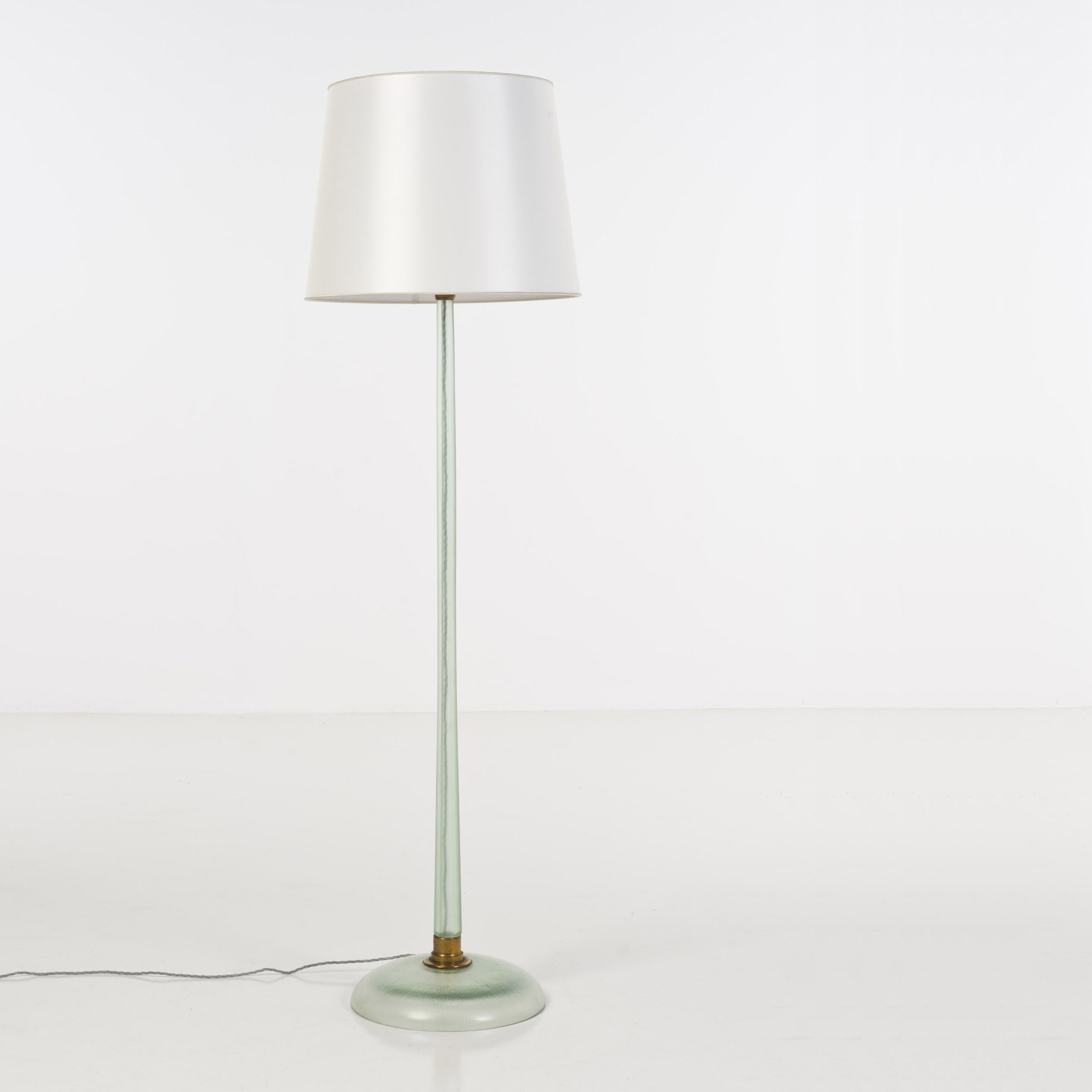 Result : 33176 € |
This obsession with detail and precise, delicate lines has found a direct echo in Japanese aesthetics. Adulated in Japan, he died there accidentally in 1978.
According to his last wishes, he will be buried in the Brion family mausoleum near Treviso, of which he is the author and which will surely remain one of his most intimate works.
