The ‘Modern and Contemporary Belgian Art’ sale provides a particularly vivid overview of the Belgian art scene in the 20th century. Among the headliners are James Ensor, Jean Brusselmans, Jean Rets, Jo Delahaut, Marthe Wéry and Patrick Van Caeckenbergh.
What could artists James Ensor (1860–1949), Jean Brusselmans (1884–1953), Jean Rets (1910–1998), Jo Delahaut (1911–1992), Marthe Wéry (1930–2005) and Patrick Van Caeckenbergh (born in 1960)? From the 19th to the 21st century, despite their very different backgrounds and styles, they nevertheless share a common history: that of a Belgian modernity built outside dogma, based on experimentation and artistic freedom.
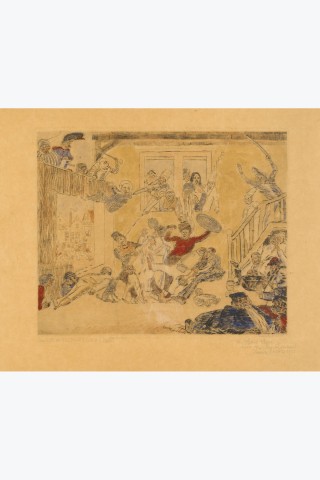
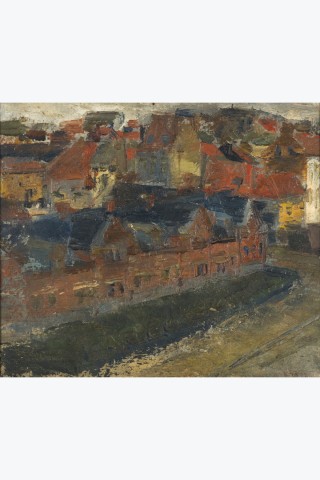
Belgium has often produced artists who are undisciplined, irreverent, resistant to categories and the norm. James Ensor is one of the most striking examples. From the end of the 19th century onwards, he undermined the conventions of academic painting with his scathing figurative art, populated by masks and satirical scenes, of which Le combat des Pouilleux Désir et Rissolé (The Fight between Désir and Rissolé), 1888 (€12 ,000/15,000) is a good illustration. His often radical work blazed a unique trail, where caricature sometimes rubbed shoulders with landscapes in impressionistic flat colours, but whose colour density gave them a particular tone (Toits d'Ostende, 1877, oil on cardboard, €18,000/€25,000).
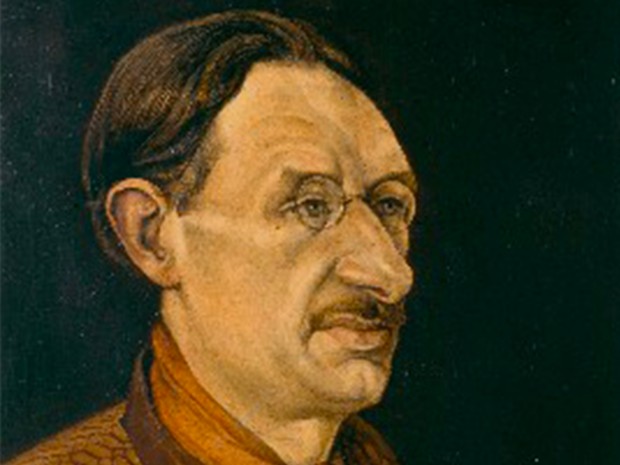
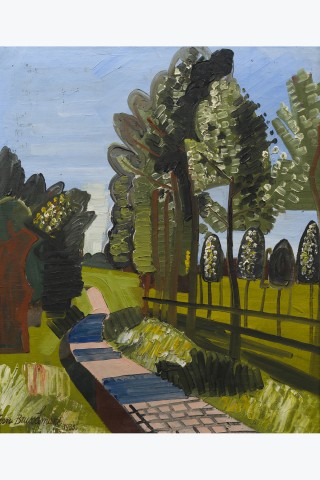
Jean Brusselmans, meanwhile, expresses himself in a more subdued style. Through the rigorous construction of forms and the intensity of colours, he transforms landscapes and architecture into compositions whose slanted perspectives distort their perception. His work embodies a modernity without manifesto that can be understood as an attempt to deconstruct reality and painting. (Le Printemps, 1933, oil on canvas, €35,000/€55,000).
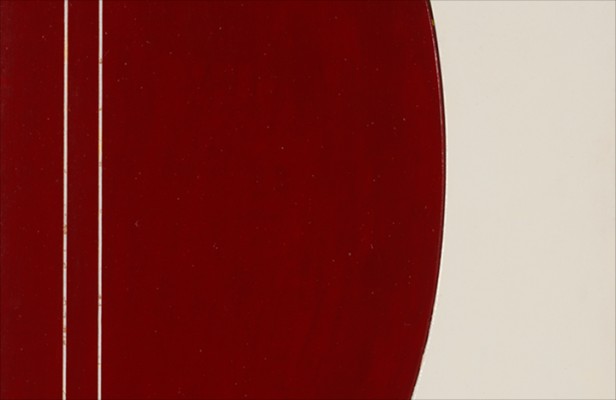
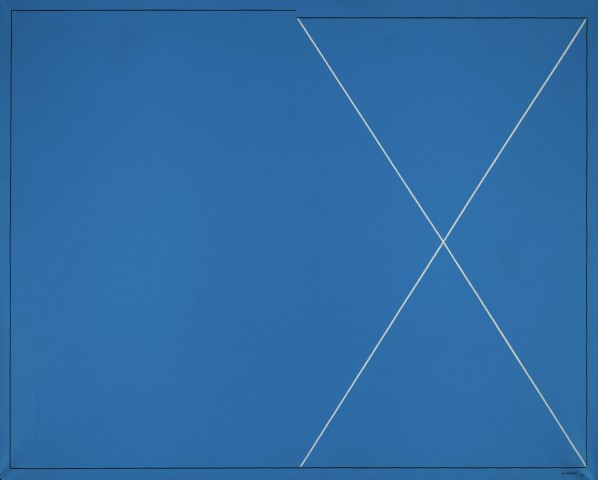
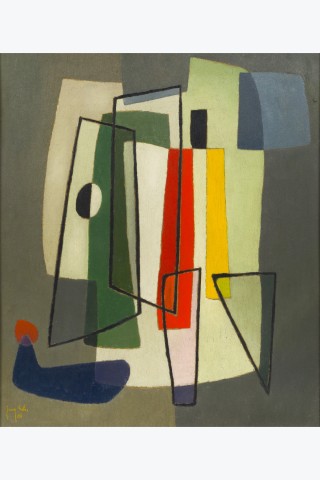
With Jean Rets and Jo Delahaut, Belgian art is moving towards abstraction. Both explored a geometric language based on clarity and balance, sometimes flirting with minimalism (Jean Rets, Untitled, gouache on paper, €6,000/€9,000; Jo Delahaut, Fields No. 2, 1982, oil on canvas, €7,000/€9,000). Their approach is part of a dialogue with other international avant-garde movements, but maintains a critical distance from the major dominant movements : refusing to define a style, the two artists seek instead to define a method, rather than a programme.
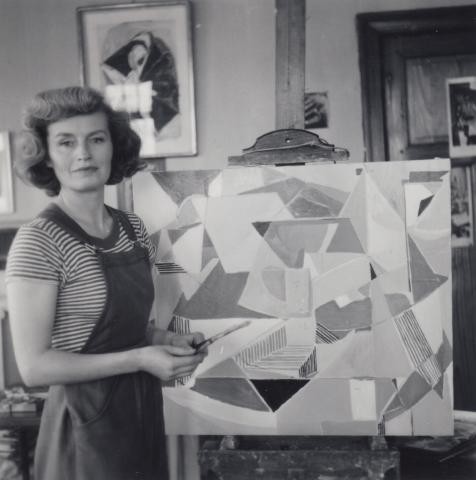
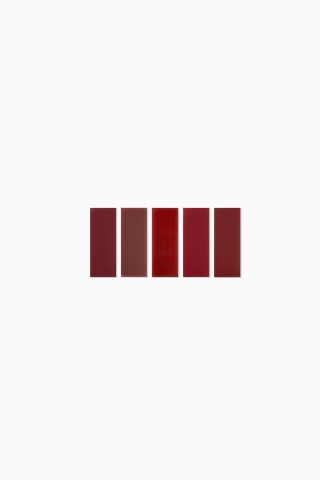
This path, which leads to a completely disembodied abstraction, continues with radicalism at Marthe Wéry's. The visual artist immersed herself in art history written by Casimir Malevich, Piet Mondrian and American artists Barnett Newman, Ellsworth Kelly and Kenneth Noland. Her encounter in 1969 with the American-Canadian minimalist artist Agnes Martin proved decisive. As Elisabeth Lebovici recalls in her Dictionnaire universel des créatrices (© Éditions des femmes – Antoinette Fouque, 2013), the artist embarked on a journey she described as ‘a fundamental quest to experience the surface, driven by a desire to ‘stop adhering to the masculine values of constructivism.’ Venice (ca. 1982), acrylic on canvas (€16,000/€18,000) directly expresses this experimental quest for a fundamental art.
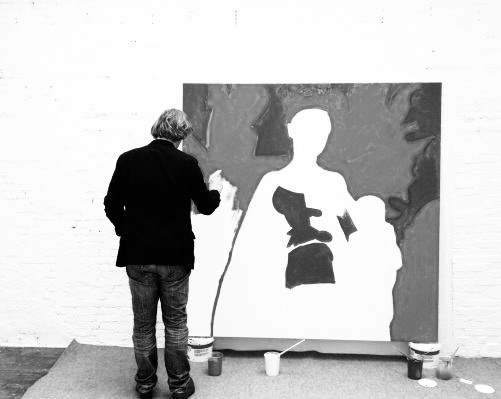
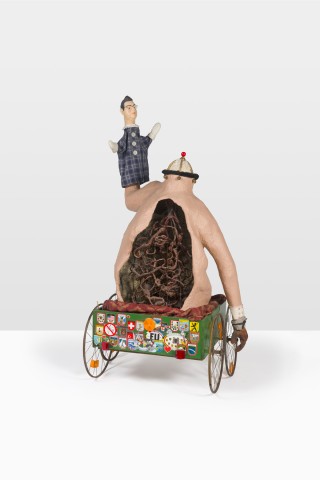
In a contemporary vein, Patrick Van Caeckenbergh continues this tradition of indiscipline tinged with anarchism. The artist defines himself as a ‘pantologist’ who plays with his ideas thanks to the science of the whole that he invented, pantology. His abundant universe combines drawing, sculpture, installation and narrative, and aims to be encyclopaedic. Science, fiction and personal memories intersect and coexist with humour, without hierarchy. A holistic art that is defined by the artist as ‘a space for thought’ (De Buickspreker / The Ventriloquist, 1996-1997, various materials, €20,000/€30,000).
Although there is no Belgian school as such, these artists share a common attitude: the conviction that art benefits from remaining an independent field of research, far from imposed models, thereby prolonging a discreet, elementary and essential modernity.