


In Angola, art, culture and literature are an integral part of society. The first president of the People's Republic of Angola, Agostinho Neto, was a doctor and poet. He constantly sought to keep Angola's traditional culture alive and valued. During his imprisonment from 1955 to 1957, he received the support of Jean-Paul Sartre, François Mauriac, Louis Aragon and Simone de Beauvoir.
Angola's place on the international artistic scene is sometimes reduced to the commitment of Sindika Dokolo, a Congolese of Congolese origin and husband of Isabel do Santos. Dokolo is considered the greatest African collector of contemporary and classical African art. Very committed to restitution issues, in 2019 at the BOZAR Museum in Brussels he organised the exhibition "incarNations" devoted to his two collections, under the leadership of South African artist Kendell Geers. The Dokolo Foundation was also at work in setting up the three editions of the Luanda Triennial, initiated by the artist Fernando Alvim, which was intended to cover all disciplines and media.
In 2013, Angola won the Golden Lion at the Venice Biennale for the best national participation with the exhibition of the artist Edson Chagas "Luanda : Encyclopedic City", and at the same time put the spotlight on the artistic creation of the entire continent.
The national and international visibility of visual artists is ongoing. One of the emblematic figures of the Angolan scene is the artist Antonio Ole, who is currently celebrating his 50 years of career. Although he trained in filmmaking at UCLA, his work is multidisciplinary, encompassing sculpture, painting and installations.
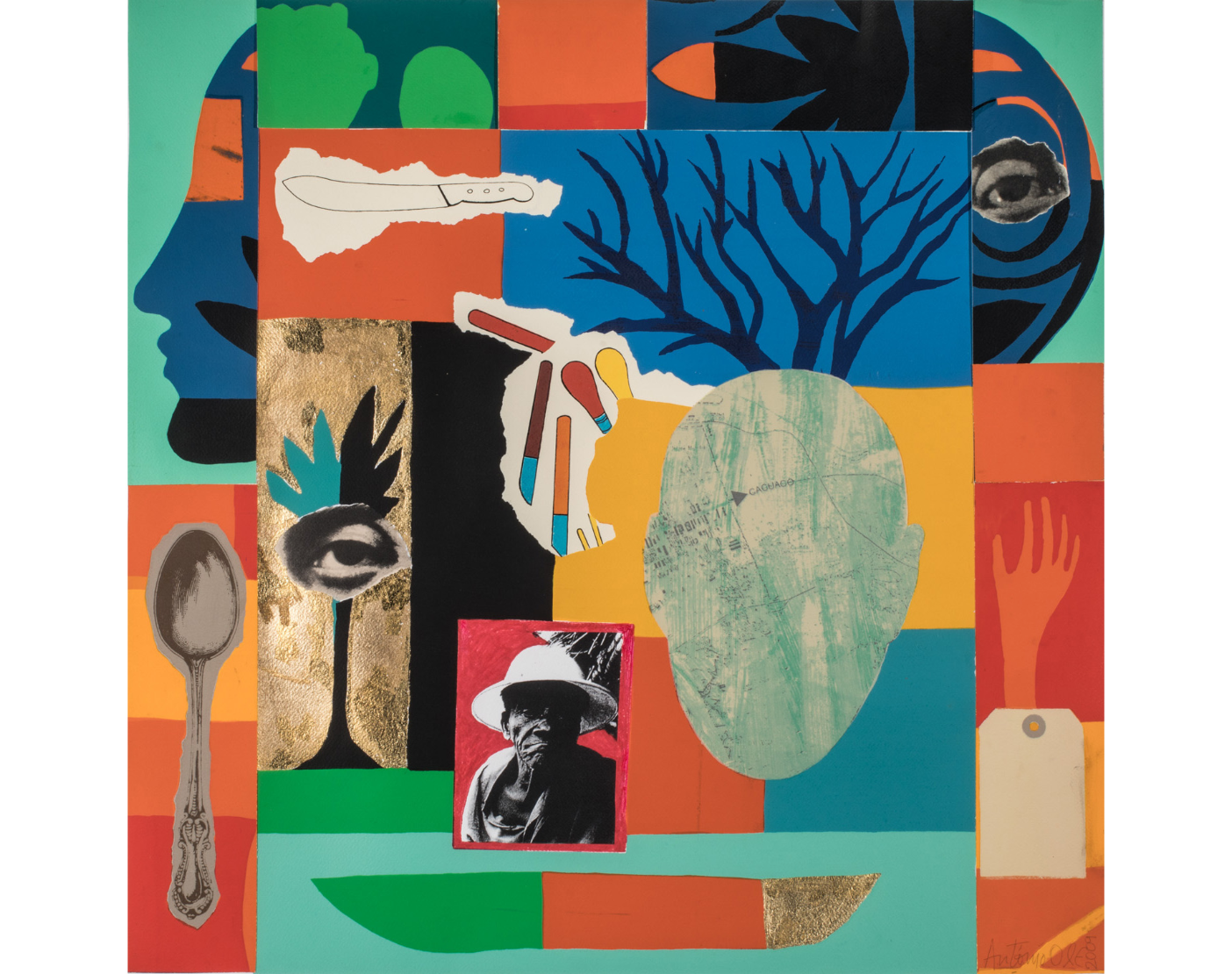 Antonio Olé (born 1951, Angola)
Footnotes, 2009
Collage and lithography on paper
Result: 2860 €
Ole draws his inspiration from traditional art to deal with current universal themes such as slavery, the colonial period, war, destruction, poverty and man's ability to resist and survive.
While the hoped-for project of a museum of contemporary art has not yet seen the light of day, Luanda offers a rich and diversified programme, thanks to the dynamism of its many galleries. Most of the time, they are not only exhibition spaces, but also meeting places, places of discussion and even artist residencies open to creators from the African continent and elsewhere. Privileged links with Portugal are frequent.
Directed by Janire Bilbao, Movart Gallery, which has opened a branch in Lisbon, is present at art fairs in Europe. It has represented, among others, the artists Ihosvanny Cisneros, Keyezua or Toy Boy. Ihosvanny's raw material is the city of Luanda, its chaos, traffic and architecture. The result is videos, photographs and paintings with a striking realism where mediums mix.
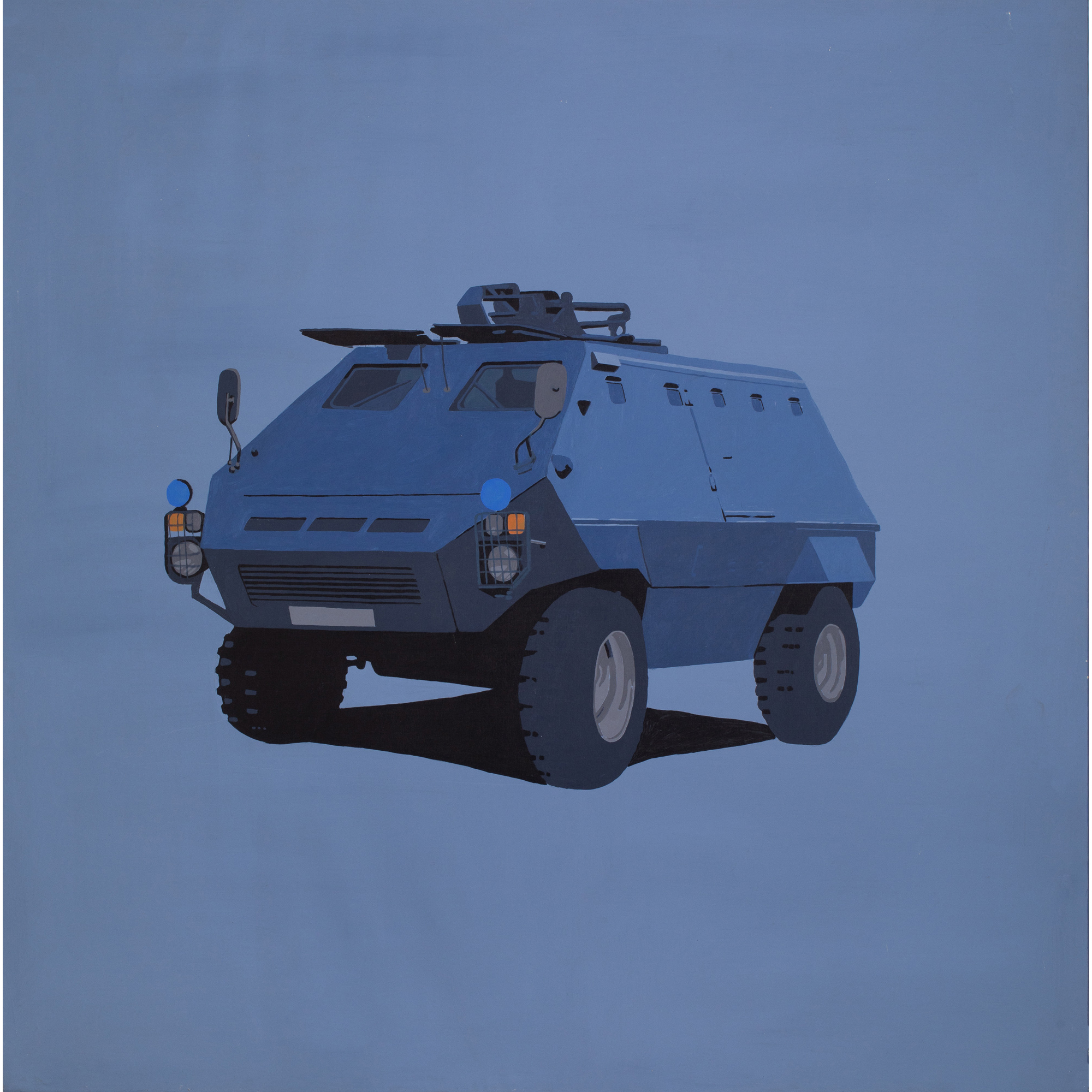
Ihosvanny Cisneros (né en 1975, Angola)
Riots and Rage, 2011
Result: 7800 €
With a radically different aesthetic, Toy Boy depicts with naive brushstrokes the dynamics of the Angolan family and communities. Keyezua, for her part, poses as a storyteller of the African renaissance to combat traditional stereotypes.
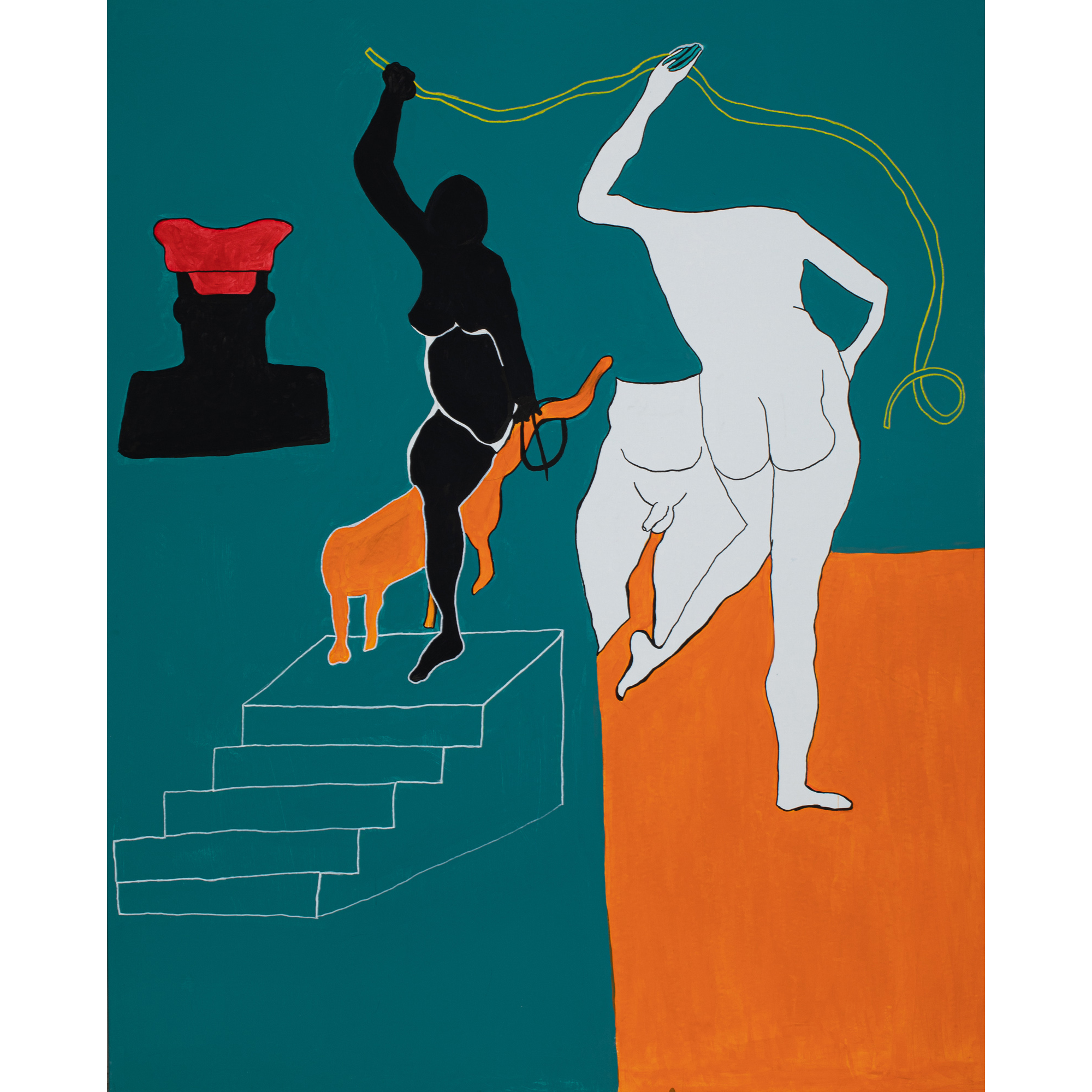
Keyezua (née en 1988, Angola)
Women fighting political tigers 2, 2018
Result: 7800 €
"This is not a white Cube", a pioneer in the reflection of galleries around the world on the issue of exhibition space and accessibility of art, has moved to the Economic Bank of Luanda. Sonia Ribeiro exhibits there, among others, Christiano Mangovo Bràs, Neilo Teixeira and Pedo Pires. Christiano Mangovo has gained international recognition in the art market in recent years. He trained in Congo where he declined the codes of popular painting in Kinshasa, before finding his style during various residencies on the Continent and elsewhere. Mangovo's paintings are unique and singular, both imprinted with his origins and desirable to Western collectors. They are peopled with characters, animals, human relationships and multiple codes that make them extremely narrative.
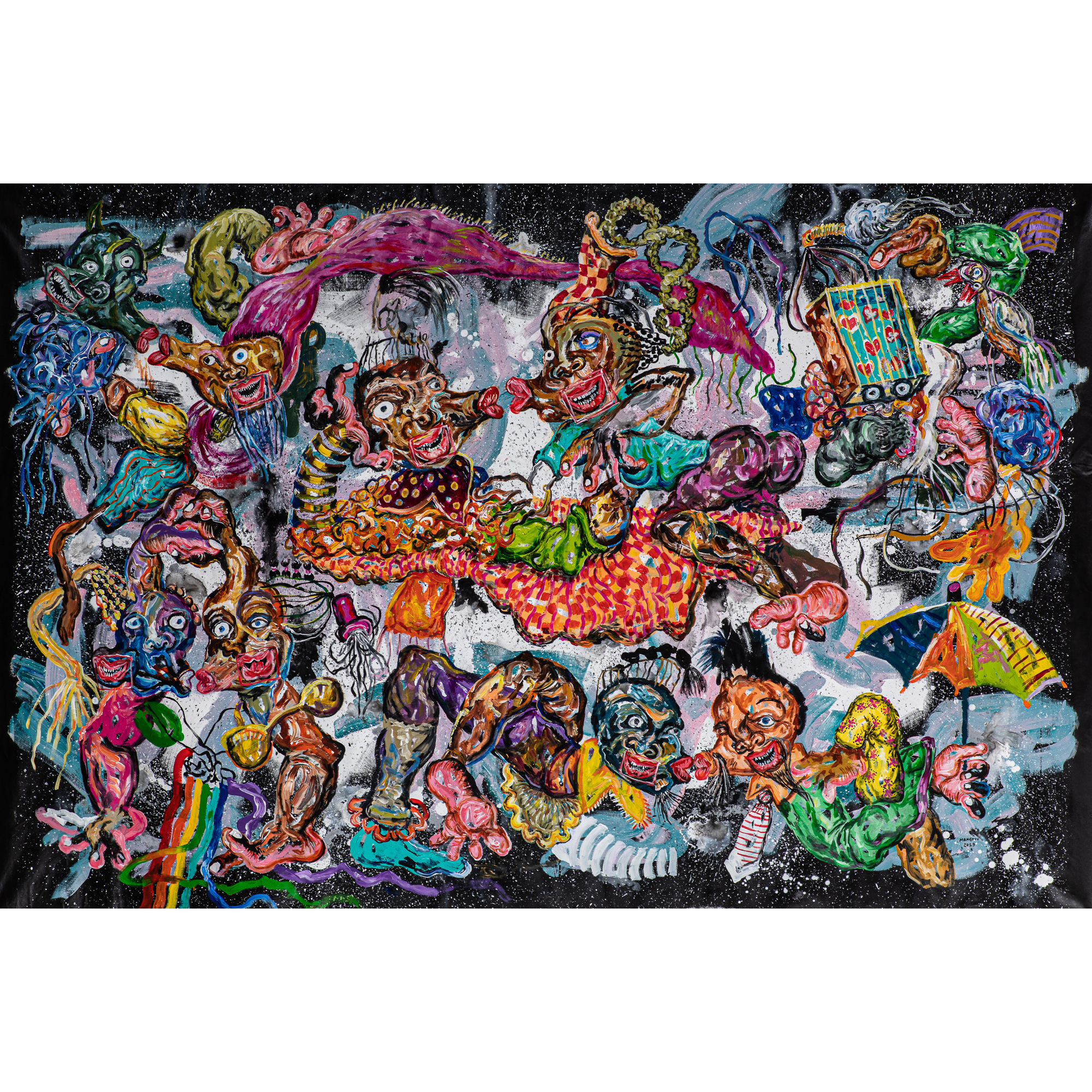 Cristiano Mangovo Bras (né en 1982, Angola)
Les amours contemporains, 2019
Result: 65000 €
Nelo is another self-taught artist from Luanda. He uses a lot of found objects, wood and fabrics that he assembles to give voice to the rhythms and cultures of Angola. Pedro Pires has both Angolan and Portuguese culture and explores these two identities.
Through its programming, the Jahmek Gallery aims to link love, art and life. It represents Kiluanji, Délio Jasse and Yonamine, among others. Kiluanji Kia Henda is a self-taught artist who works around avant-garde music and theatre. His art aims at transmitting and making history understood, by intervening on the themes of identity, the perception of post-colonialism and modernism in Africa. Délio Jasse develops his practice through photographic work. By using images that bear witness to past lives, such as passport photos or family albums, he summons collective memory. He experiments and mixes traditional printing techniques with his own innovations. His works blur the boundary between the multiple and the original. Yonamine is an artist resolutely turned on the world. He has lived and worked in Angola, DRC, UK, Portugal and Germany. His artistic practice is as prolific as the messages he conveys about his own references and positions. He mixes in his installations a wide variety of materials that are symbols of popular culture.
The gallery ELA (Espaço Luanda Arte) directed by Dominick Maia Tanner works with partners around the world to give international visibility to the Angolan scene. ELA exhibits in African fairs and in the West and regularly represents the work of Kapela, Ricardo Kapuka or Francesco Vidal. Paulo Kapela is a former student of the Congolese school of Poto-Poto where he was trained in the 1960s. In these collages, Kapela tells the lives of street people, Angolan politicians and international celebrities found in the media. Ricardo Kapuka's work summons and confronts motifs inherited from tradition with contemporary themes. Francesco Vidal's works are recognizable by the bright colours applied on papers made by the artist or on canvas, sometimes superimposed like tiles to create installations. Born in Portugal to Angolan and Cape Verdean parents, Vidal enjoys his origins and combines his multiple influences from cubism, African wax fabrics, 1980s hip-hop culture, graffiti and street art.
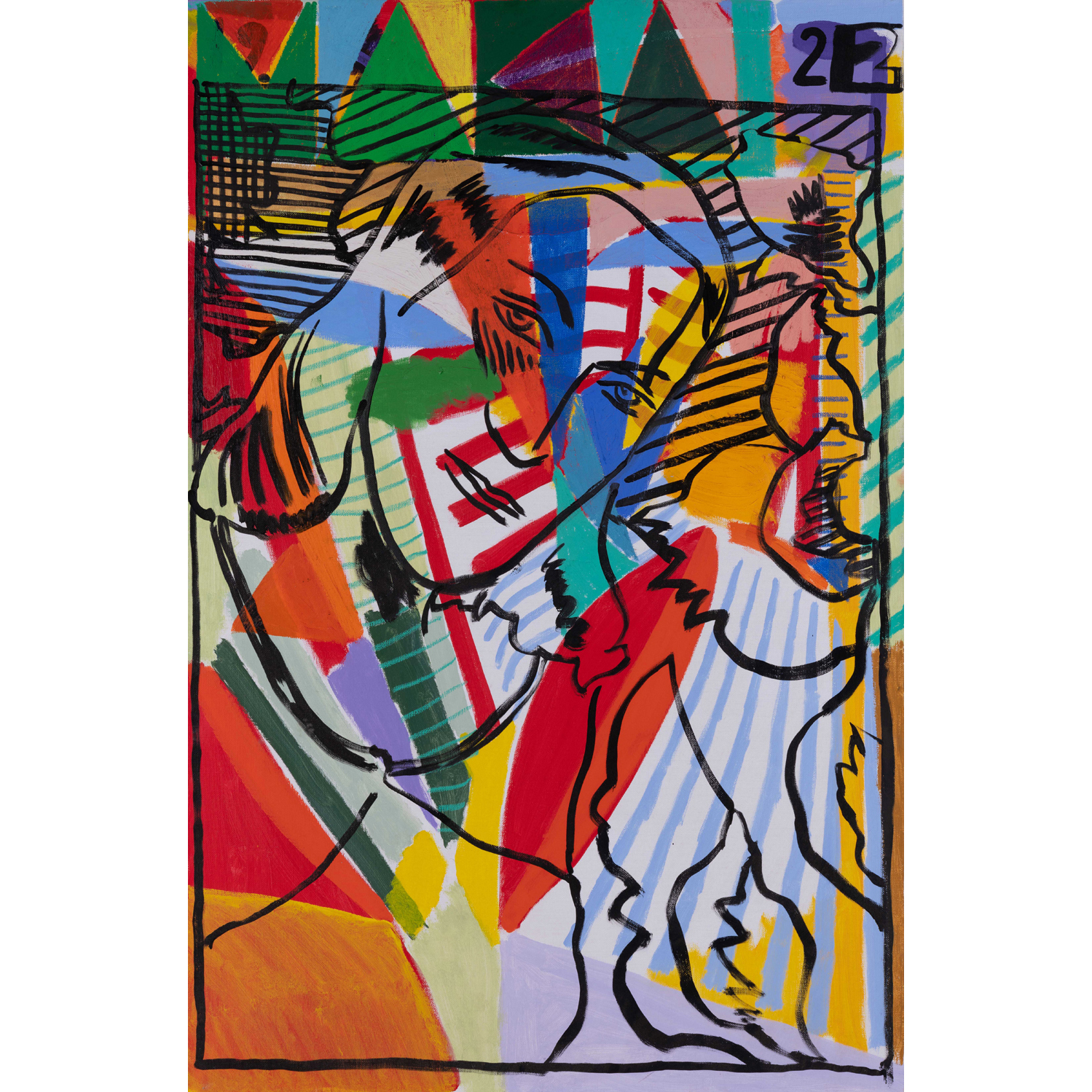
Francisco Vidal b.1978 Portugal
Sans titre
Result: 39830 ZAR