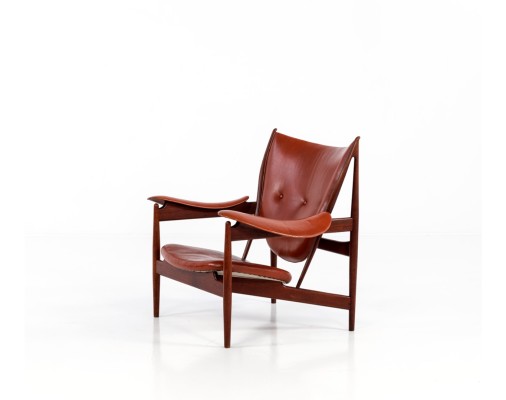
On Tuesday, June 26th, PIASA will present an exceptional sale of Brazilian, American, and Scandinavian Design in Brussels. PIASA continues to spread the popularity of formerly confidential Brazilian design, through sales highlighting iconic works. In this next iteration, remarkable pieces by Hugo França and Jose Zanine Caldas are a striking demonstration of typically Brazilian creation.
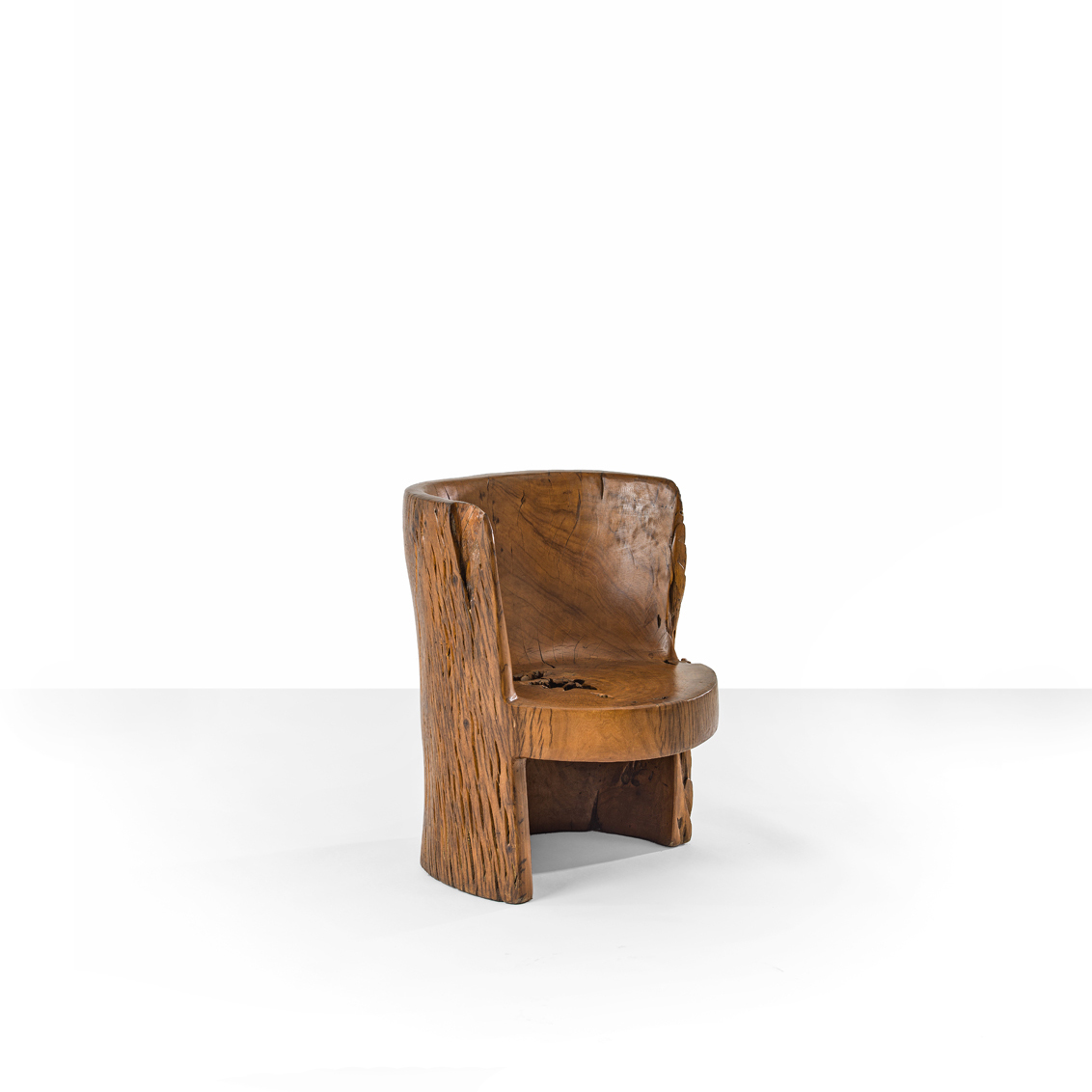
ƒHugo França (né en 1954)
Cuica
Hugo França, born in 1954, left the city in the 1980s in order to get closer to nature in Trancoso, amidst the Pataxó people. This is where he discovered the waste generated by logging in the tropical forest, a discovery that will guide all of his creative process. França began creating what he calls ‘sculptural furniture’ at the end of the 1980s, reusing woodland debris: trees condemned by natural causes, inclement weather, or by man.
Its creation in born out of a creative dialogue with raw materials. The shapes, cracks, time marks are the basis of each work. The woods chosen are usually neglected by traditional woodworkers, and all parts of the tree are used: the dug-up roots, the hollow trunks, the massive logs. The size of the pieces often requires that the works be sculpted on-site, highlighting the shapes and texture of the wood.
According to França, “The main inspiration is each tree—not only because of its beautiful natural form but also because it has a history.”
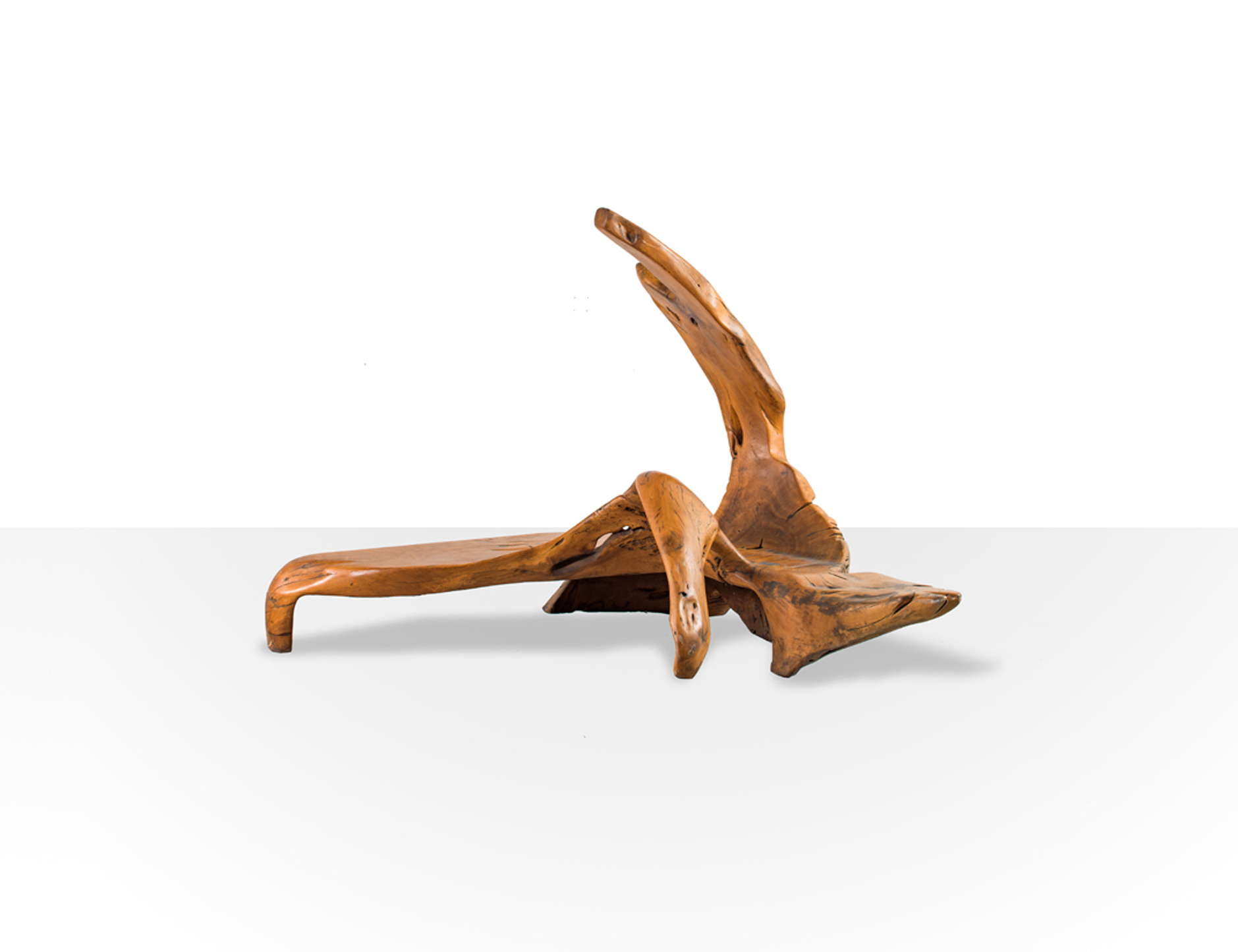
ƒHugo França (né en 1954)
Itajuba
In this sale, França’s works echo those by Jose Zanine Caldas. At the end of the 1970s, the artist moved to Nova Viçosa, a small coastal town of Southern Bahia, and resumed his work as a designer, interrupted in the 1950s. This is when the Denùncia series emerged: artisanal works of monumental proportions, in sculpted wood, usually salvaged from the destruction of the Atlantic coast forest in Brazil. This series is radically different from the industrial themes of his Moveis Z artistic production. From that day on, Zanine Caldas follows the protest movements that will influence the following generations of designers. He hires the local canoe builders who lost their livelihood after the devastation of their village by a storm. These men, masters of ‘Nobre Madeira’, noble wood, hand-sculpted their boats from giant Ipê trees and became Caldas’ workers, creating many iconic pieces, such as the Pequi wood and hide bench built out of a piece of traditional pirogue and put up for sale by PIASA on June 26th.
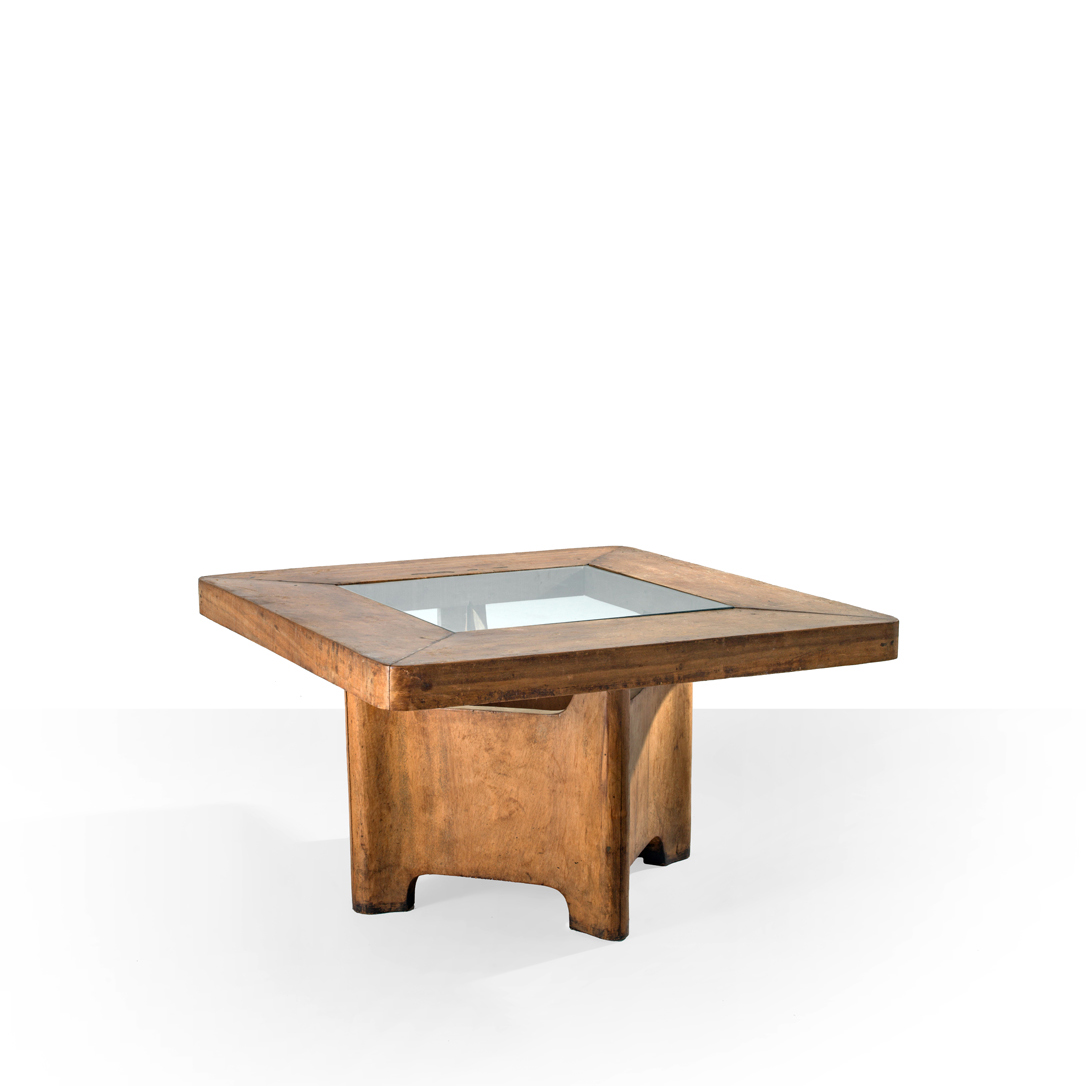
Lot 93 - ƒ Jose Zanine Caldas (1919-2001)
Série Denuncia
Sold 59 918 €