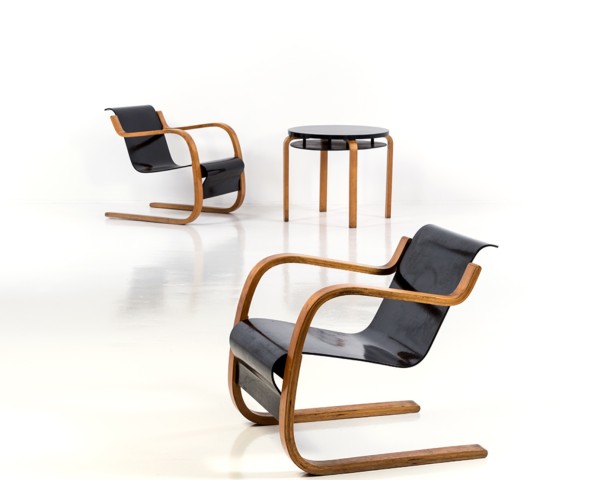
Advocating for the functionalist movement and paving the way for organic design, Alvar Aalto is amongst the most important European designers of the Twentieth century. The works of the “Wizard of the North” - as Architecture critic Siegfried Giedion called him - seem both historical and timeless by their functional and aesthetical conception. The sale “Design for Architectures” is the occasion for PIASA to present some iconic pieces designed by Alvar Aalto that are typical of his modernist and humanist ideas.
Born in 1898 in Kuortane (Finland), he is the son of a forest land-surveyor and his sensitivity structures itself around Nature since childhood. Acquainting himself with different wood species, he increases his knowledge on wood, his favourite material that he considers closest to Mankind. Having graduated from Helsinki University of Technology, he sets up his own agency aged 25. His harmony quest between Nature and the modern Man way of life begins.
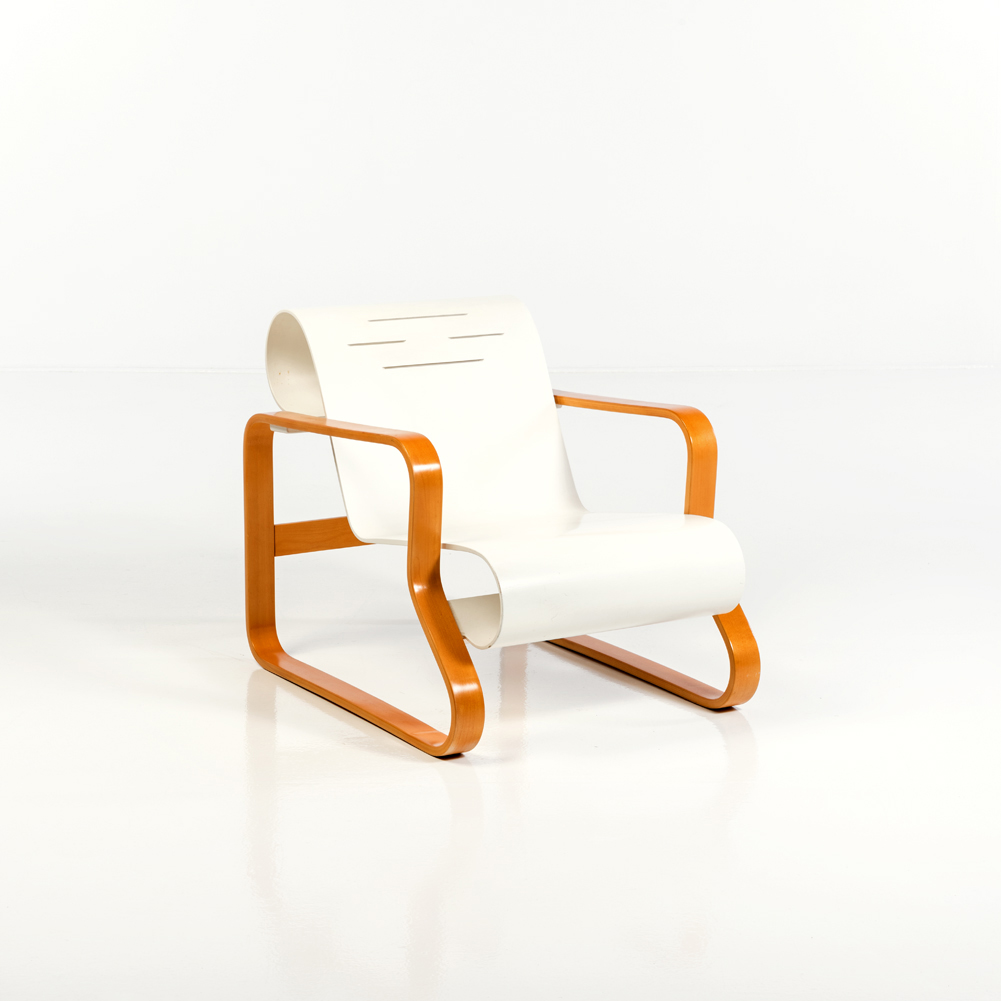
Lot 5 - Alvar Aalto (1898-1976)
Modèle Pamio 41
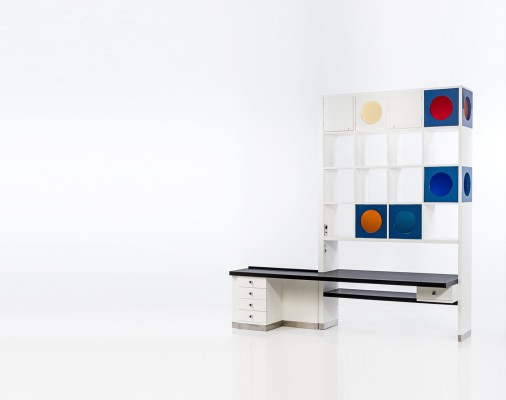
In 1929, Aalto wins a contest to build a new sanatorium in Paimio (1929-1933). Considered as his first masterpiece, this sanatorium expresses fully his functionalist ideas. Indeed, everything - from the building layout to its interior furniture - is conceived according to practicality and in consideration of the patients’ well being. He tries numerous experiments with plywood and laminated wood as well for this structure. In 1932, he designs the first pieces entirely in laminated and curved wood, such as the Paimio Chair. That’s how his first architectural projects, including the furniture such as the Viipuri bookshelf (1927-1935), illustrate his constant concern: guaranteeing the users optimal conditions.
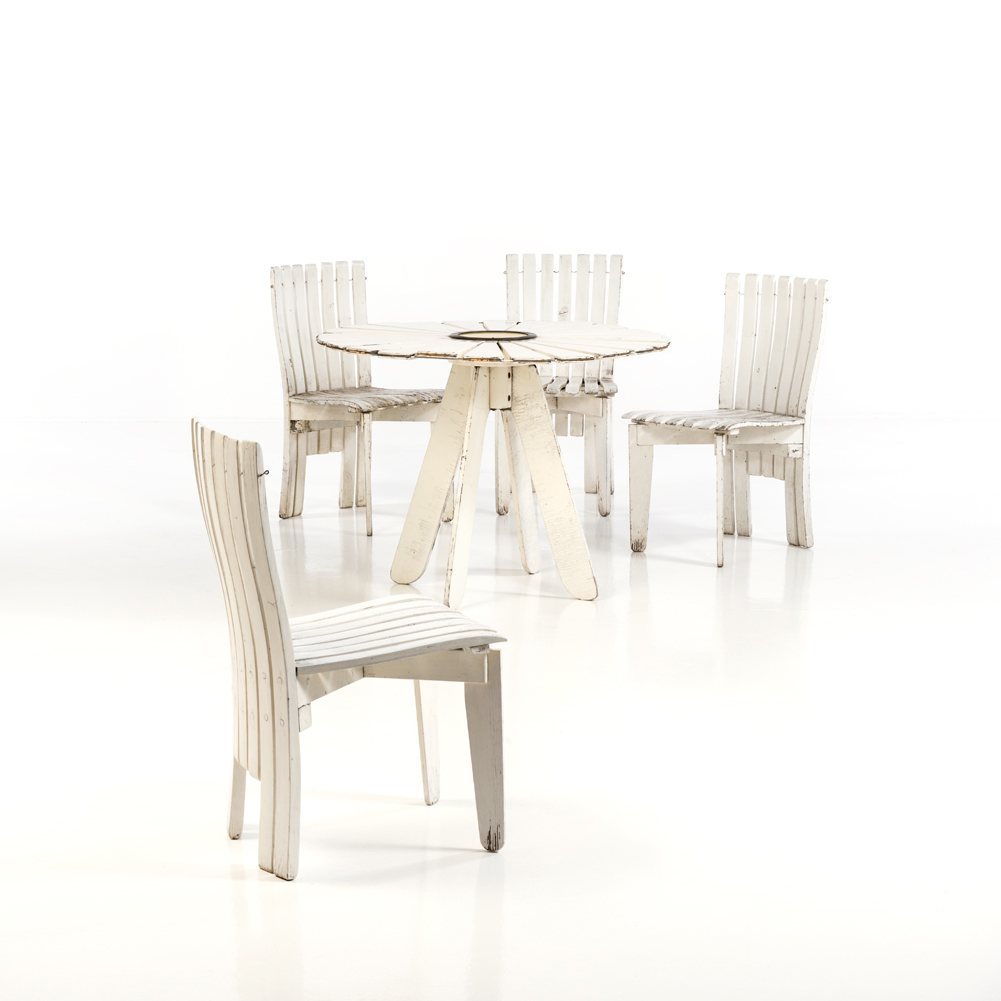
Lot 7 - Alvar Aalto (1898-1976)
Sunflower, Modèle n° 320
Sold 5 850 €
In the thirties, Aalto meets great patrons of modern art in Finland: Harry and Maire Gullichsen. The latter join forces with Aalto for the foundation of Artek, a company aiming at serial production of furniture and at organizing art shows. Aalto conceives the villa Mairea (1938-1939) in Noormarkku for the Gullichsen couple. He has Nature, Architecture and Mankind dialoguing all together in this house by opening the space, articulating organic shapes and by using materials recalling the site environment. Some pieces made for this villa and realized by Artek show as well this utopian idea that Aalto had in mind.
By taking part in the International congresses on modern architecture (ICMA) at the same time, Aalto joins a cosmopolitan network of architects. As his work gets international acknowledgement, he receives different orders from abroad. He continues nevertheless to diffuse his humanist vision in his country through works such as the National Pensions Institute in Helsinki (1952-1956) or the University of Technology, Otaniemi (1963). His works give basis to Scandinavian design.