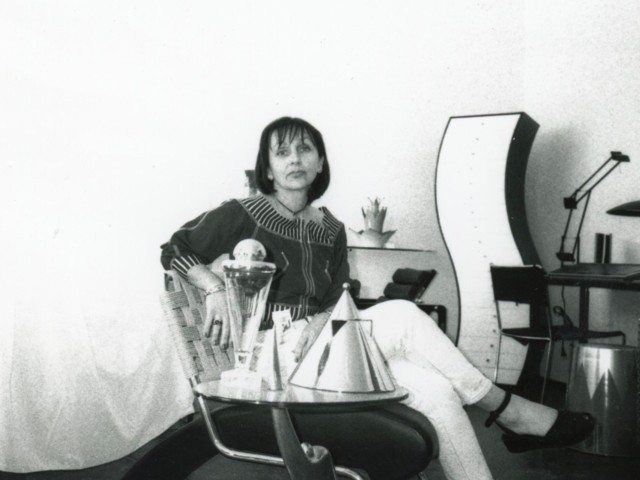
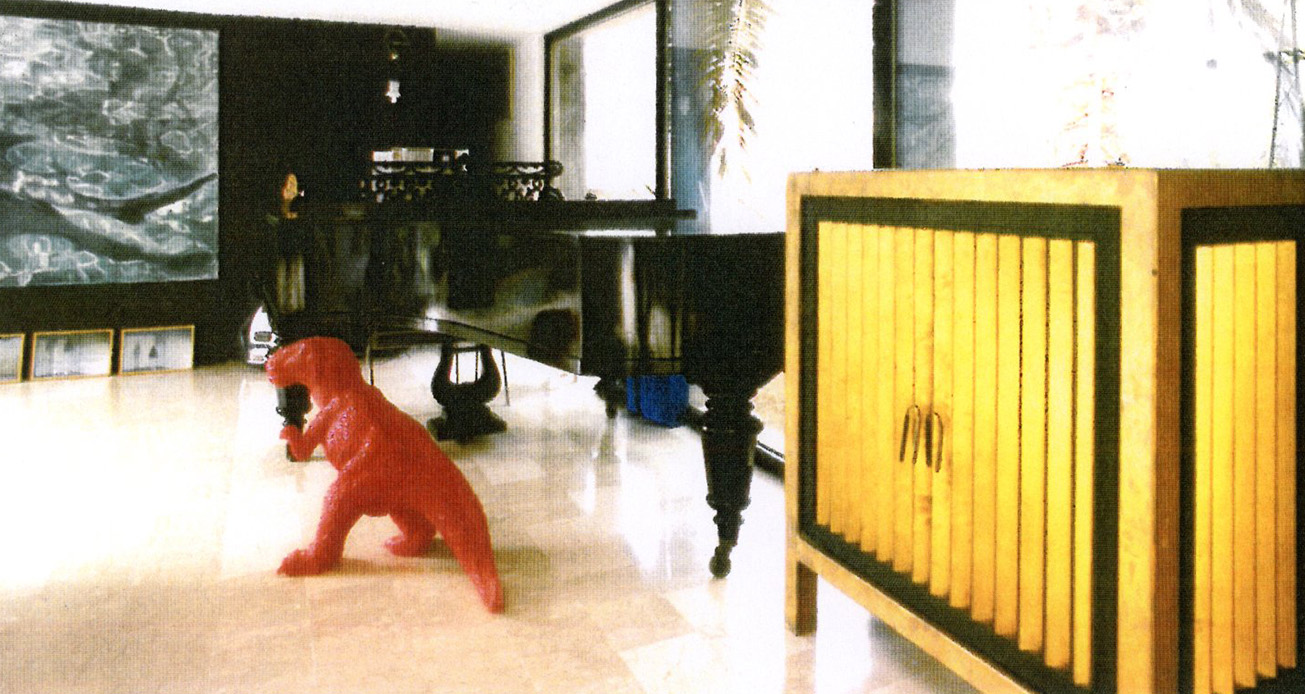
This sale pays tribute to the sensitive and discerning world of a passionate collector, a key figure in the southern art scene and a lover of art and artists. Built up over several decades alongside architect Rudy Ricciotti, this collection reflects a free and intuitive approach to contemporary creation. It brings together iconic pieces of design, particularly from the 1980s and 1990s, chosen for their formal audacity and uniqueness, while creating a dialogue between these objects and works of art that extend this same quest for experimentation and aesthetic radicalism. Sculptures, plastic arts and design objects thus respond to each other in a coherent whole, revealing a deep curiosity for the artists and creators of her time. Between iconic works and personal discoveries, the collection composes a sensitive panorama where art and design feed off each other. Each piece bears the mark of encounters, intuitions and elective affinities, painting a portrait of a committed and visionary collector.
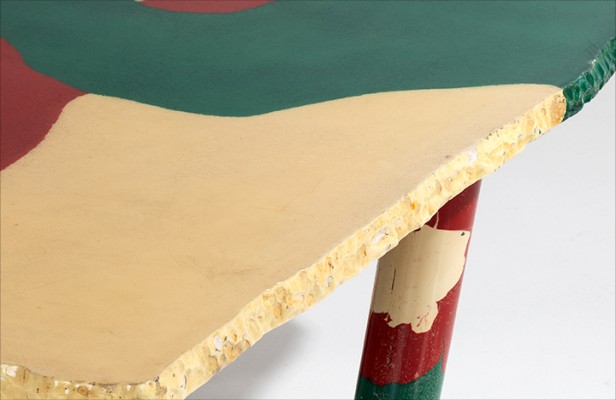
This sale highlights iconic design pieces by Gaetano Pesce, Shiro Kuramata, Philippe Starck and even a floor lamp designed by Salvador Dalí, while the art section brings together works by John Giorno, Louise Bourgeois, On Kawara, a rare Polaroid by Carlo Mollino, as well as emblematic pieces from the Supports/Surfaces movement featuring Claude Viallat.
'I arrived in Marseille in the autumn of 1990, and among the first people I met were Suzette and Rudy Ricciotti. I immediately liked them both very much: him for being himself, inventive, superb and insolent; and her, who wasn't fooled even by him, discreet, attentive and determined: both of them were the kind of people you want by your side to remake the world, or at least try.
They loved artists. As much as they could at the time, they collected them. It didn't matter how famous they were, it didn't matter what their name was. Suzette and Rudy were their accomplices, their friends. Anyone who knew them could sense that they needed each other. They loved to rummage through the unknown to find something new. Passion was their driving force. I think Rudy's thinking drew heavily on this. I also think Suzette helped him in this. This adventure was theirs together, they shared it.
During our conversations, I rediscovered works by artists I was familiar with. There were gems — I like that word — collectors are like gold prospectors. They sense the alchemy of every creation. I think Suzette and Rudy knew that. When the Museum of Contemporary Art opened, which I had the relative audacity to call the MAC, Philippe Vergne and I asked them, as we did a few others we liked and whose acumen is now well established, to allow us to exhibit their collection. I can still see them enjoying seeing themselves on the walls. Suzette and Rudy were and remain mavericks.
More than thirty-five years have passed. We have all gone our separate ways. Rudy has become one of the great architects of his generation, Suzette has devoted herself to design in all its forms and has helped me to understand and appreciate it. Now the time has come to disperse! ‘You who enter here,’ says the poet, ‘abandon all hope,’ I would say, on the contrary! You will find familiar names and others less well known. Time does its work and urges you to make up your mind. Come and buy what you like — like Suzette and Rudy, who probably never imagined that all these beautiful things would one day end up under the hammer!'
Bernard Blistène
Former Director of the Museums of Marseille
Honorary Director of the National Museum of Modern Art – Centre Pompidou
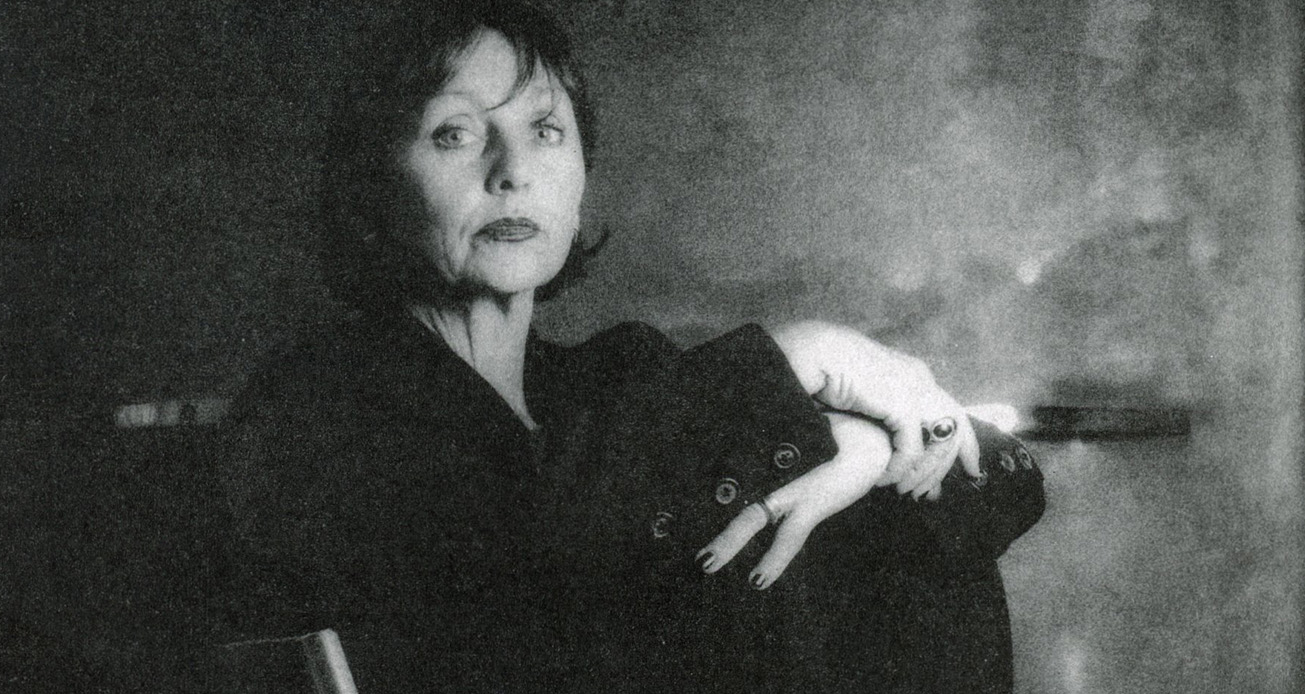
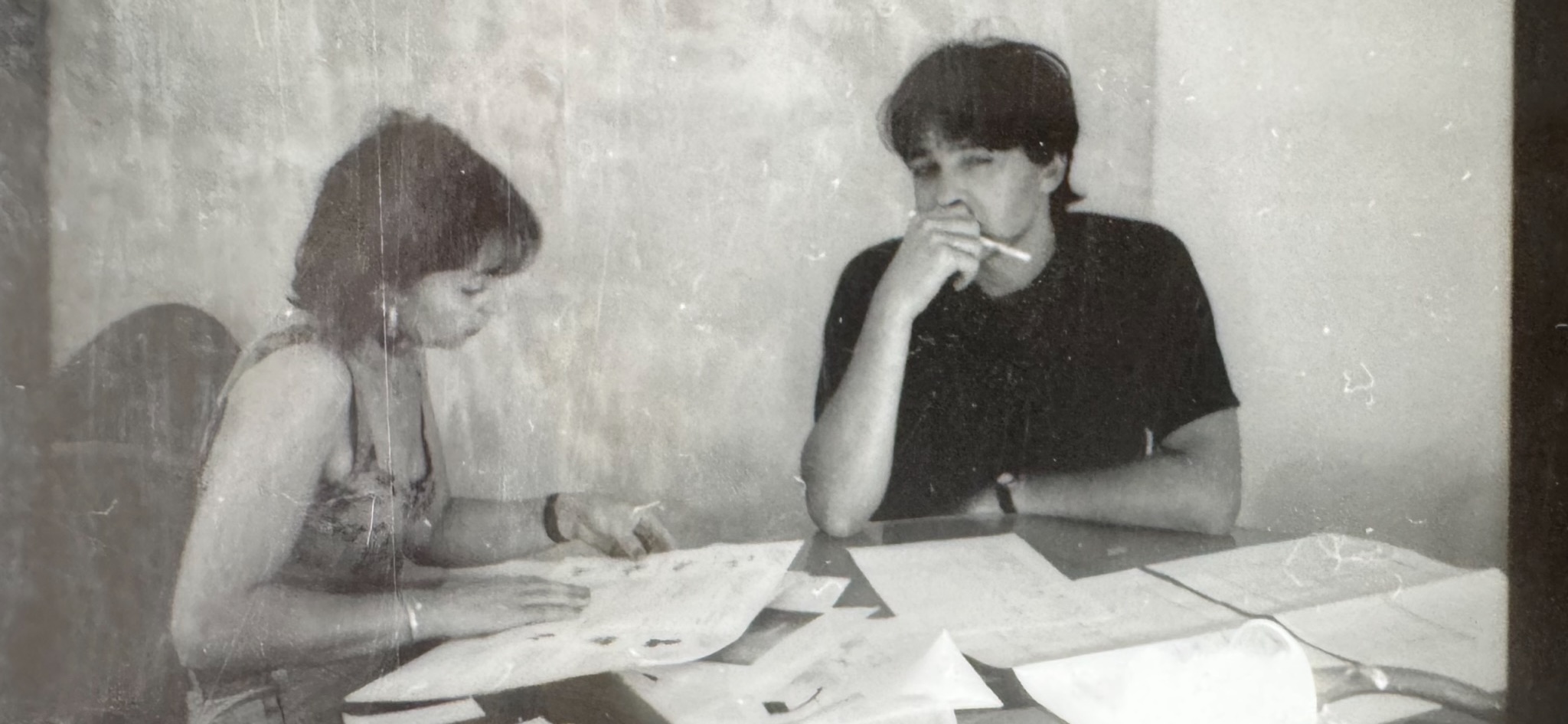
'I met Suzette Ricciotti in the late 1980s. At the time, I was working as a designer for an Italian company called Driade, and I went to Bandol to meet Rudy's wife, a young architect brimming with ideas.
From Paris, I was directed to this young woman who was passionate about design and planning to open a showroom. She had the mindset and ability to always see further than others in terms of design.
Suzette helped Rudy enter the complex world of architecture through design — just look at the Regional Road Information and Coordination Centre in Marseille, which later propelled him to the Venice Biennale.
They already had two children, and I saw Enzo being born in 1991.
Every piece she chose is an icon of a moment in design. Her collection is a real pleasure: a veritable museum of the 1980s.
What a pleasure it was for me to have been asked. I have so many fond memories of those forty years spent side by side in Pisa.'
Arturo del Punta Cristiani