


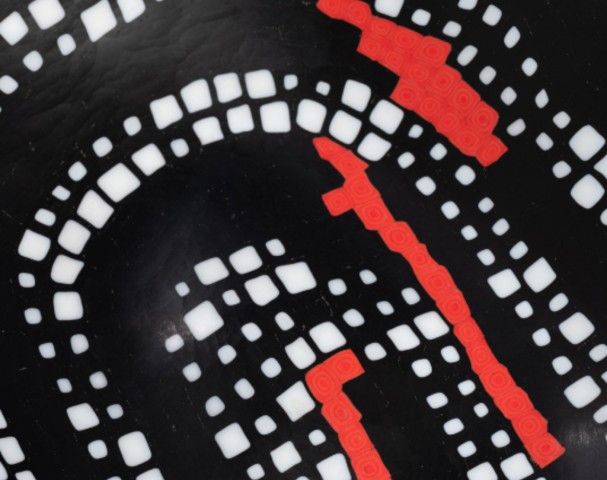
As part of the session devoted to Italian glassware, PIASA offers a very rare selection of pieces made by the greatest craftsmen that the peninsula has known during the 20th century. Among them, Carlo Scarpa is a leader.
The first years of Carlo Scarpa's life were spent in the picturesque alleys of the Serenissima. Following a move to Vicenza, he and his family returned to live in Venice. It was here that he began his first studies. First of all, he was admitted - after a first unsuccessful attempt - to the Academy of Fine Arts in 1920. Parallel to this training, he worked in the office of the architect Vincenzo Rinaldo. In 1926 he graduated as an architectural draughtsman before becoming assistant to Guido Cirilli, professor at the Faculty of Architecture in Venice.
In addition to the lectures he sometimes gave, Carlo Scarpa began to collaborate with the famous glass manufacturers in Murano. He became the artistic adviser of the Cappellin glassworks, then of Venini from 1933 onwards. For almost fifteen years, he created glass objects of remarkable quality and diversity. Always in search of the most perfect association between form and material, he would never stop experimenting with techniques.
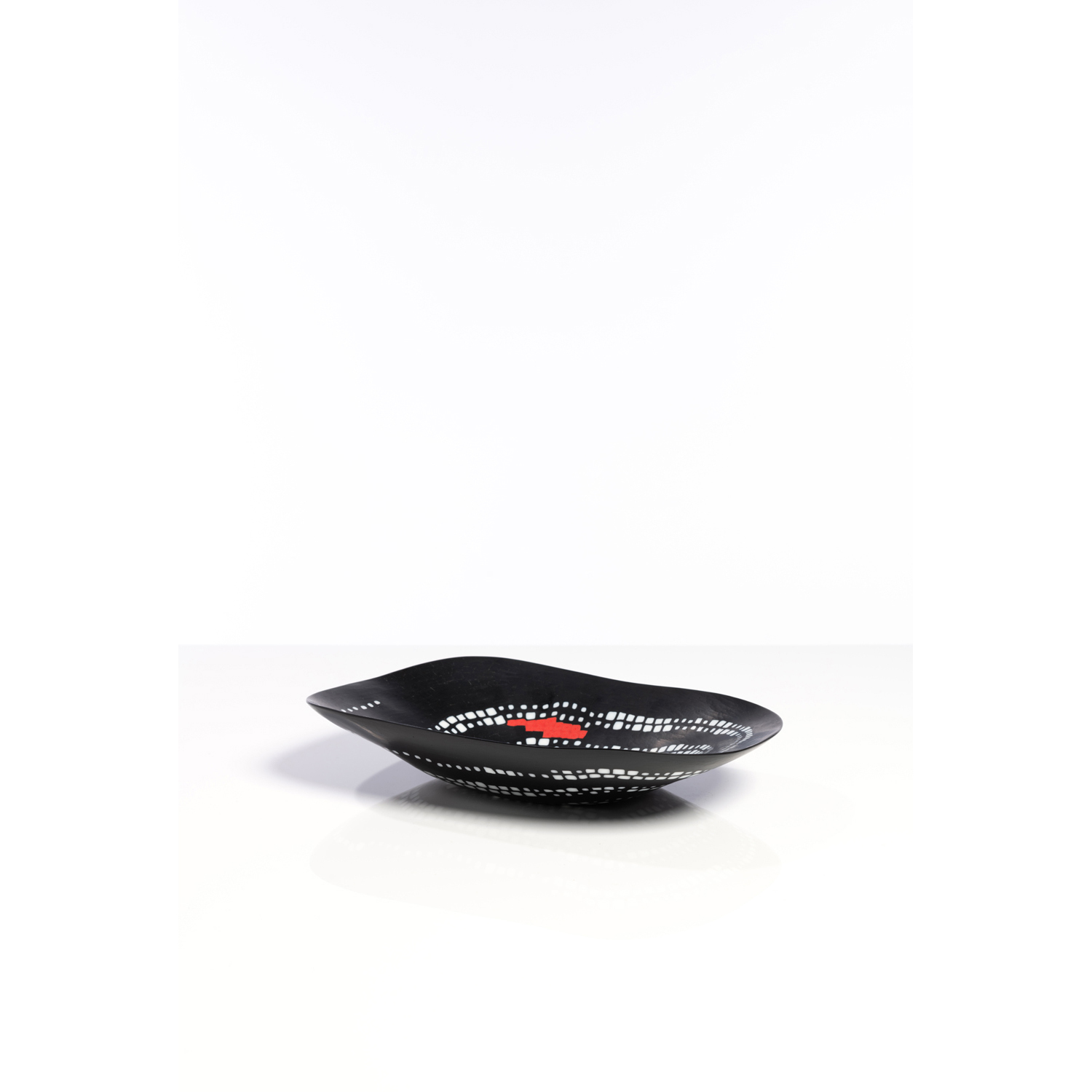
Carlo Scarpa (1906-1978) Plat
Estimation : 4000 / 6000 €
In 1942, Carlo Scarpa was entrusted with the scenography of the Venice Biennale. The success of this first partnership continued year after year for more than thirty years.
In addition to the creation of unique objects, the craftsman carried out a certain number of restoration and museum refurbishment projects. Several emblematic examples have been selected by international critics such as Palazzo Abatellis in Palermo, the Museo civico di Castelvecchio in Verona or the Quadreria of the Museo Correr in Venice, all between 1953 and 1955.
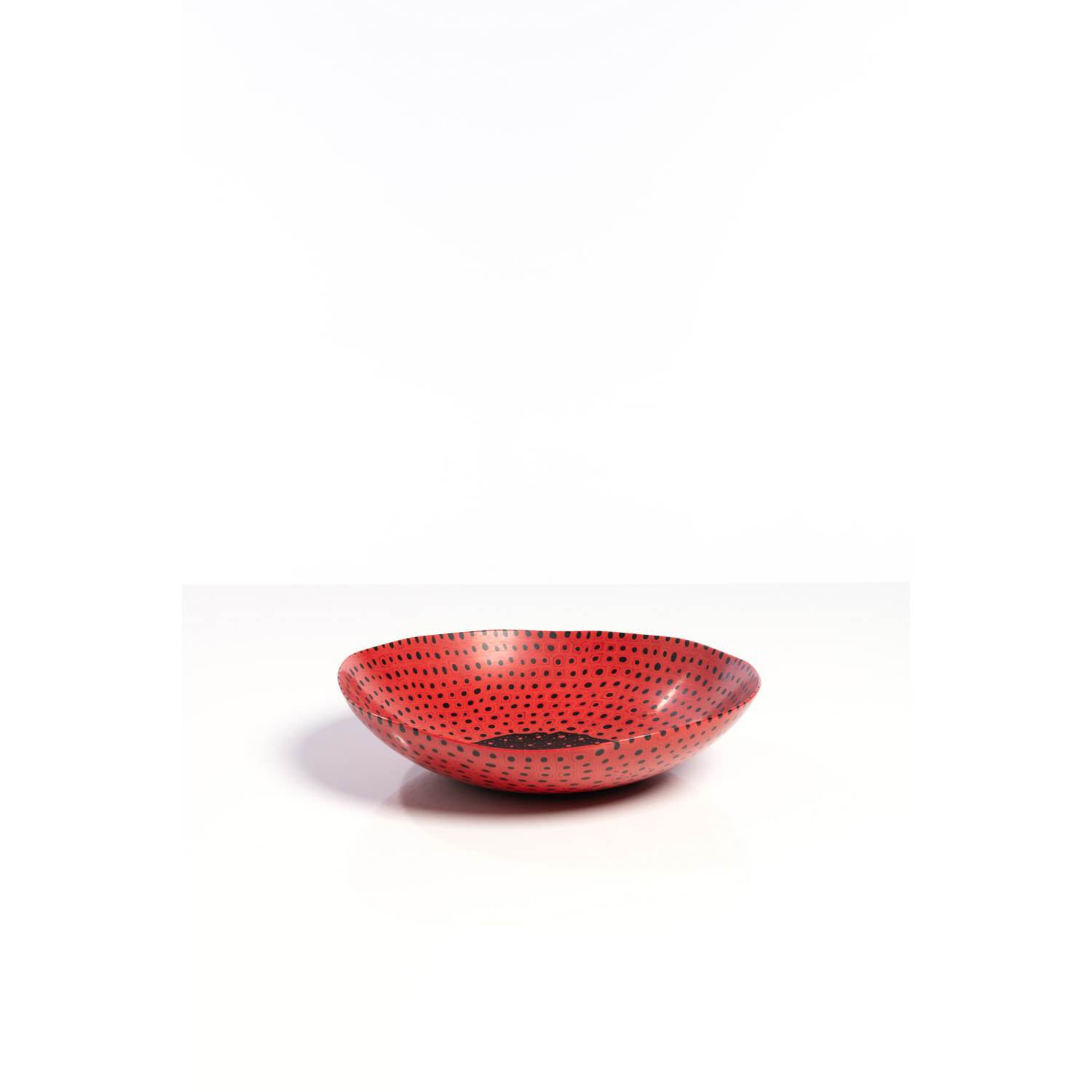
Carlo Scarpa (1906-1978) Plat
Estimation : 2000 / 3000 €
From the mid-1960s onwards, it became world famous. He is particularly celebrated in Japan, where he died accidentally in 1978.
The piece that PIASA is pleased to offer for sale testifies to the formal and chromatic inventiveness that this artist was capable of. It explores the countless combinations between the chromatic nuances - here blood red - and the eminently tactile properties of the materials used.
