


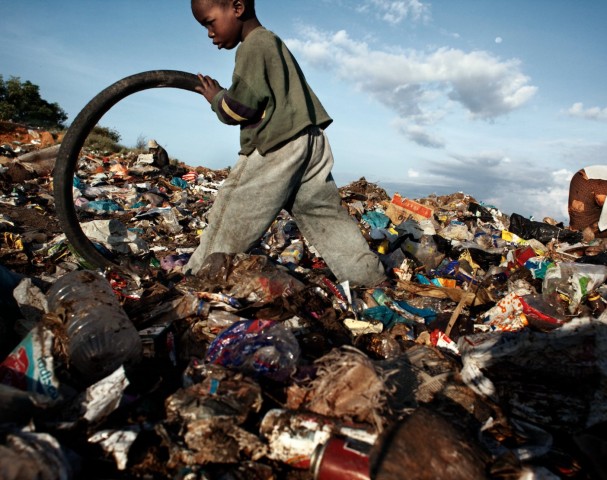
In 1980, Robert Mugabe won Zimbabwe's first post-colonial elections. In the first few years after he came to power, the population benefited greatly from improved access to health and education, but after 10 years, the former British colony fell into a serious political and economic crisis.
Robin Hammond's series "Your wounds will be named silence, Zimbabwe" received the Carmignac Prize for Photojournalism in 2012. These photos were exhibited at the Rencontres d'Arles in 2013. And published in a book by Actes Sud.
Robin hammond also received the Amnesty Award for his photo documentary in Marie Claire UK. He was recently supported by Elton John and his Foundation to fight violence against LGBT people in Africa.
Robin Hammond - Your wounds will be named silence
"I visited Harare for the first time in 2007 as part of my work as a photojournalist. At the end of 2008, after four particularly difficult assignments, combined with the economic crisis, the startling poverty and the political violence in the country, I ended the year emotionally and physically exhausted. Why was I so exhausted? It was a hopeless situation. The national economy was literally imploding, bringing millions of increasingly poor people to their knees as the country's leaders flew halfway around the world to shop. Many Zimbabweans also felt helpless, and hundreds of thousands had already left the country for South Africa. I myself helped some of them to escape. I understood very well why they wanted to leave; I didn't want to stay there either.
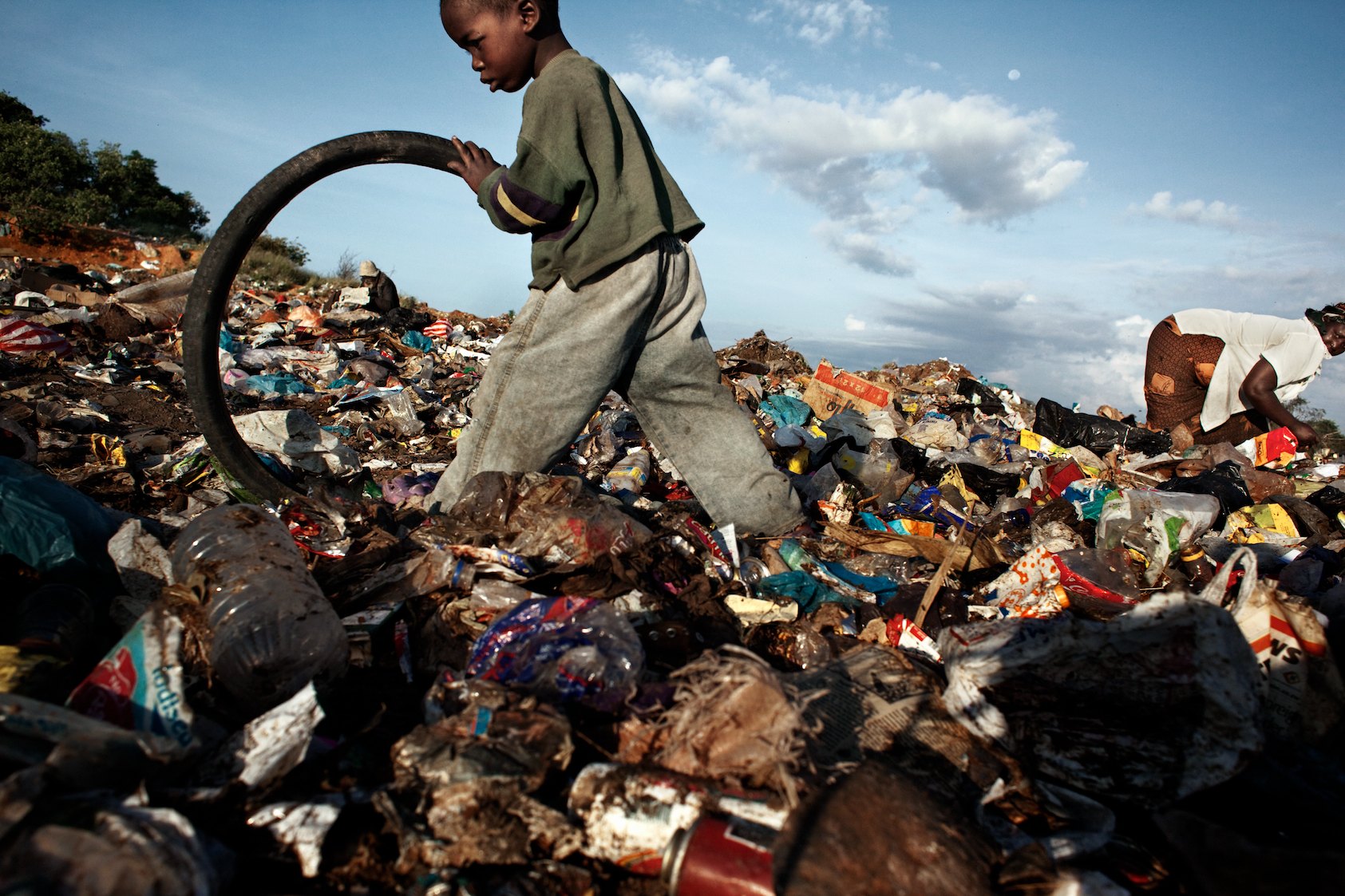 Robin Hammond, Zimbabwe (born in 1975, New Zeland)
Zimbabwe #27, series : Your wounds will be named silence, 2011
Photograph mounted on aluminium
Estimation : 300 / 800 €
The year 2008 was also marked by the victory of Zimbabwe's opposition Movement for Democratic Change (MDC) in the first round of elections. In retaliation, its supporters were beaten, murdered and tortured until the party abdicated and withdrew. That same year, Robert Mugabe dismissed rumours of a cholera outbreak in his oppressed country with a manicured hand, while shortly before, I had sneakily photographed a clinic full of semi-conscious patients with the disease. Men who spoke out against the government were being murdered, children were dying because of the shortage of antibiotics in hospitals...
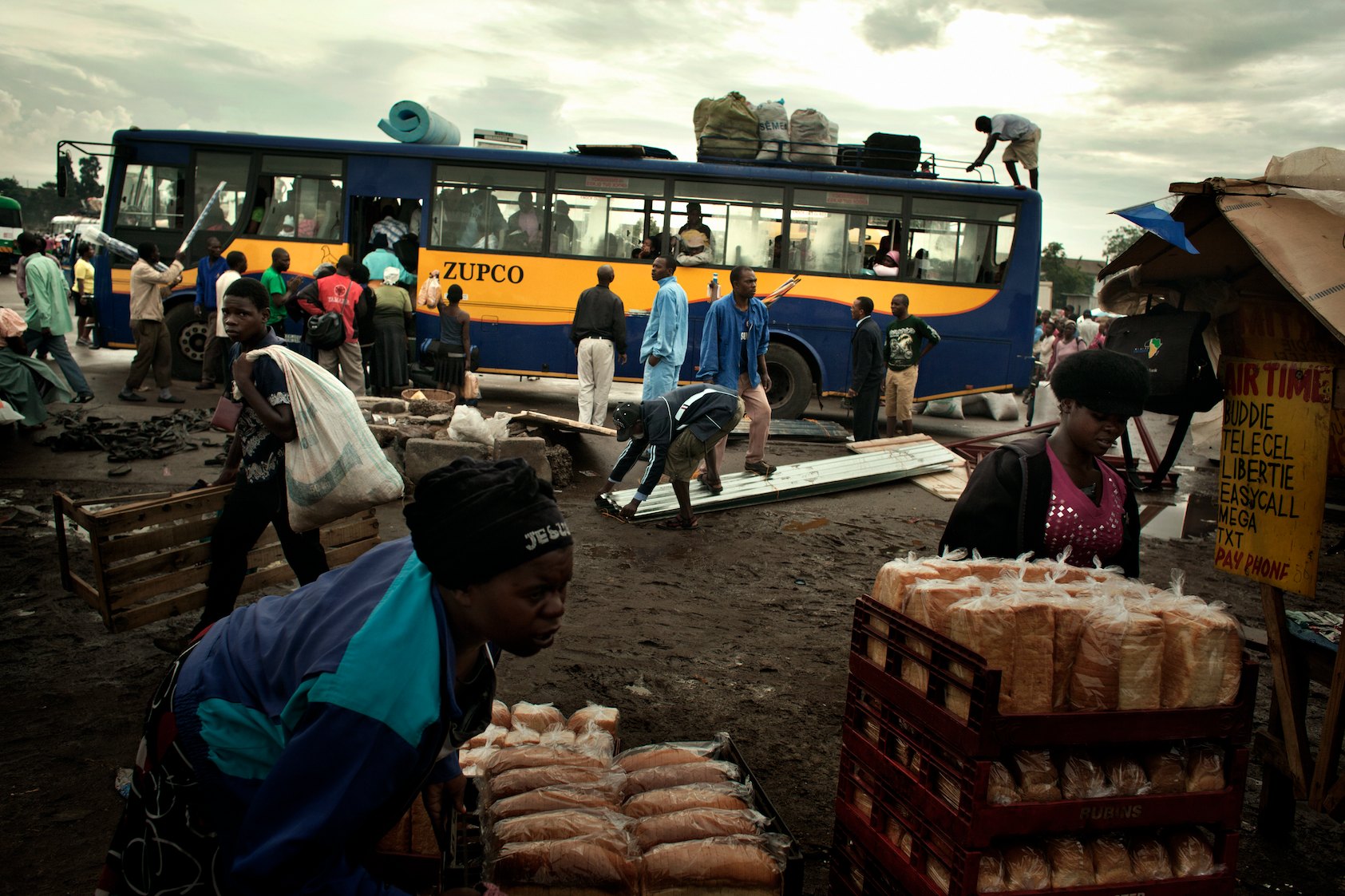 Robin Hammond, Zimbabwe (born in 1975, New Zeland)
Zimbabwe #57, series : Your wounds will be named silence, 2011
Photograph mounted on aluminium
Estimation : 300 / 800 €
By the end of 2008, I had seen countless buried bodies and broken hearts. After two years of going back and forth in the country, I was totally desperate. Yet I had only a glimpse of what an entire generation of Zimbabweans had endured. I didn't want to come back, so I decided to focus on other projects in Asia and other parts of Africa. But somehow Zimbabwe always catches up with you eventually. So in 2009, I found myself crossing the border of a country I had stopped working on again. I drove from South Africa to the border, and within 24 hours I had become one of the first journalists to enter the Marange diamond fields since the 2008 massacres. There I photographed military consortia in the midst of diamond mining, deliberately violating the Kimberley Process. It was one of the most dangerous assignments of my life. But the story caught the world's attention and won Amnesty International's award.
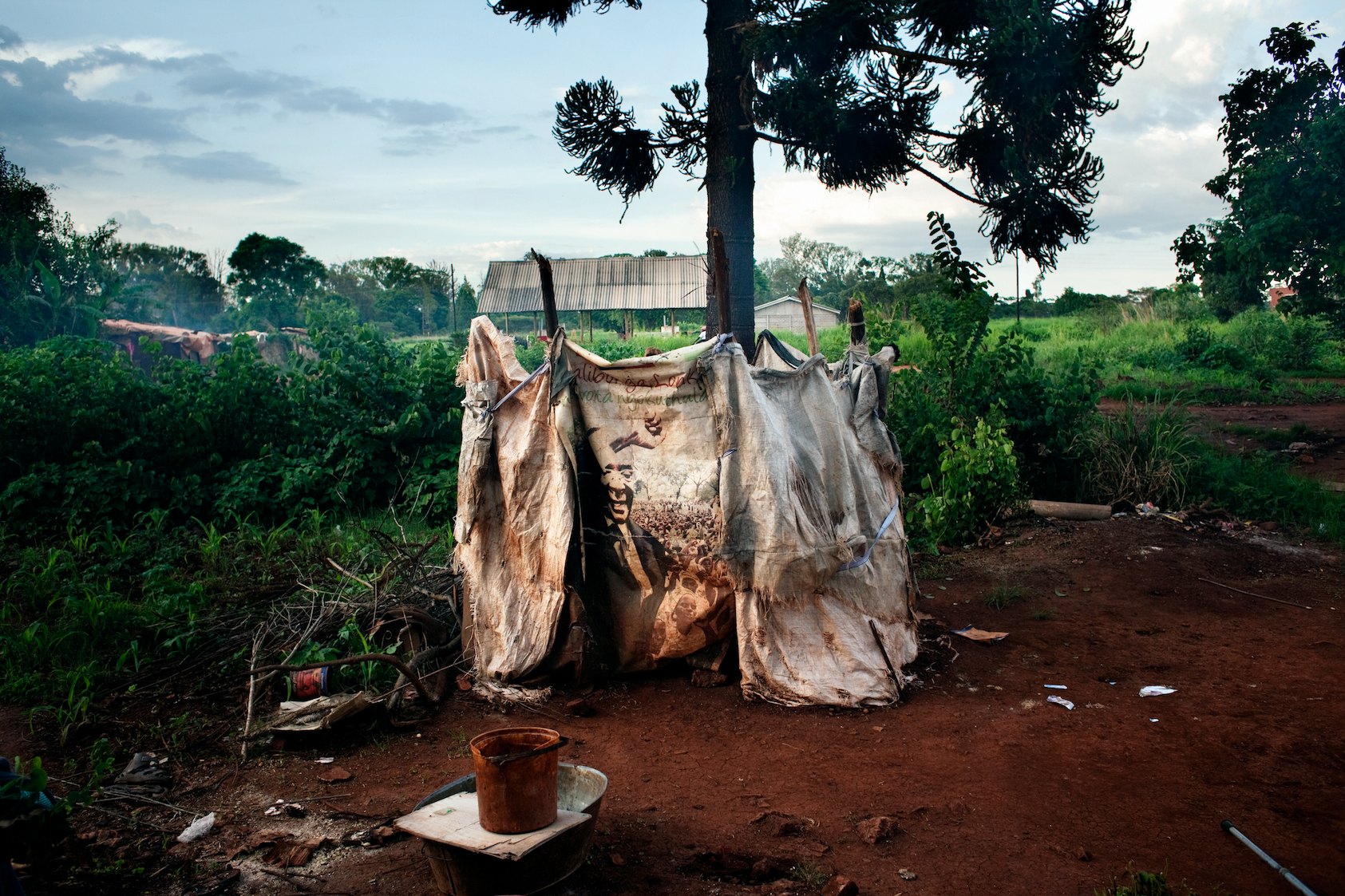 Robin Hammond, Zimbabwe (born in 1975, New Zeland)
Zimbabwe #29, series : Your wounds will be named silence, 2011
Photograph mounted on aluminium
Estimation : 300 / 800 €
The material evidence gathered was submitted to the United Nations and documented the atrocious violence committed by Robert Mugabe's regime in its relentless pursuit of blood diamonds. After this report, I felt I had to leave the country for a while to work on other projects around the world. But Zimbabwe never left me for very long. In October 2011, during a mission in Khayelitsha, one of the largest cities in South Africa, I received a call from Édouard Carmignac. I had been awarded the Carmignac Photojournalism Award. But this extraordinary opportunity came with great responsibilities and risks: a responsibility to the Zimbabwean people whose story I had to tell, and the risk to my own life. This time, I will have to penetrate further and deeper than ever before into the country to finally tell its story and all the suffering endured by its people. »
Robin Hammond, for The Carmignac Fondation source : https://www.fondationcarmignac.com/project/robin-hammond-zimbabwe/