PIERRE LOOS'S COLLECTION, FROM PRIMITIVE ARTS TO THE SOURCES OF AFRICAN MODERN ART
RESULT : OVER 1.100.000 € (including costs) AND NEARLY 80% OF LOTS SOLD
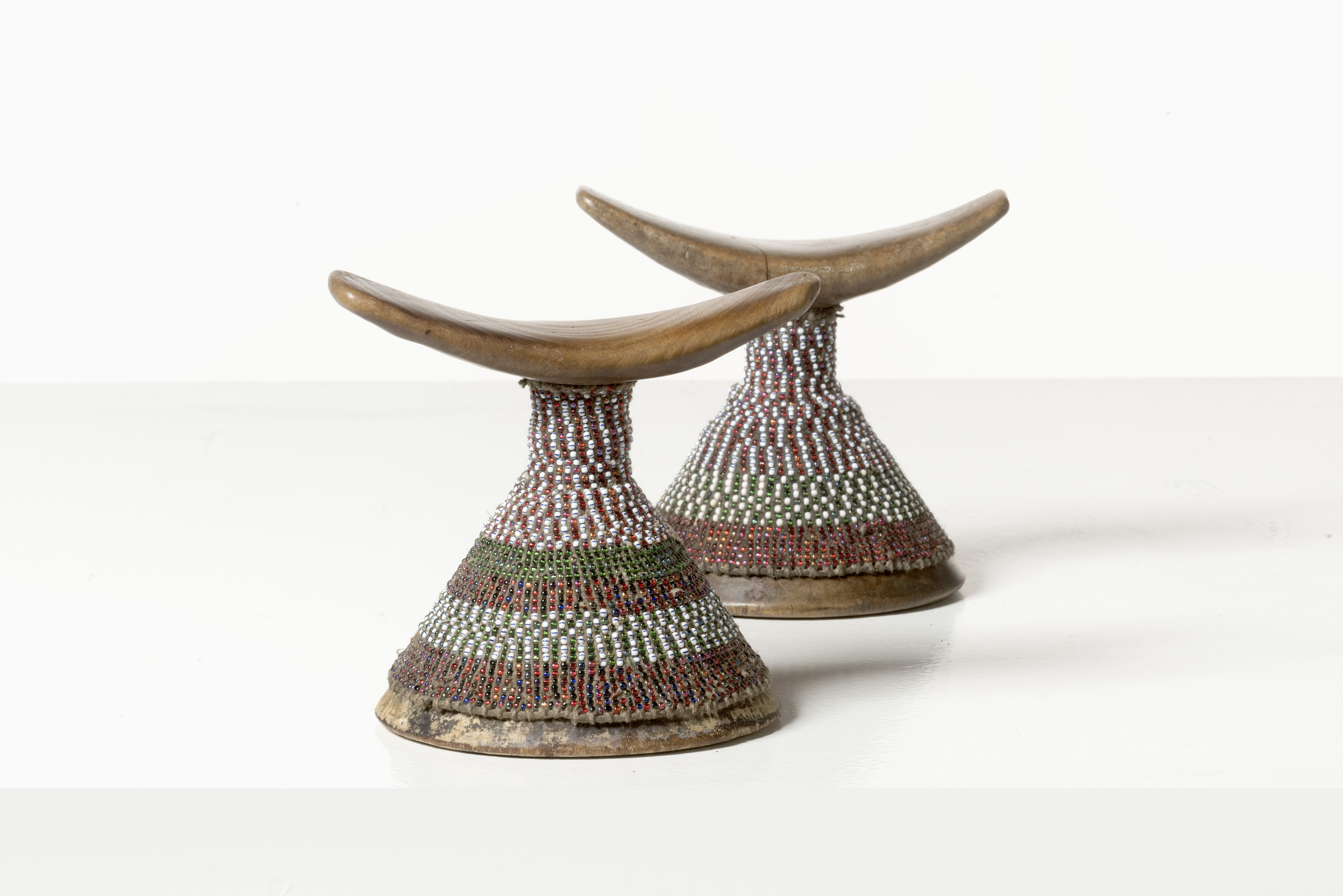
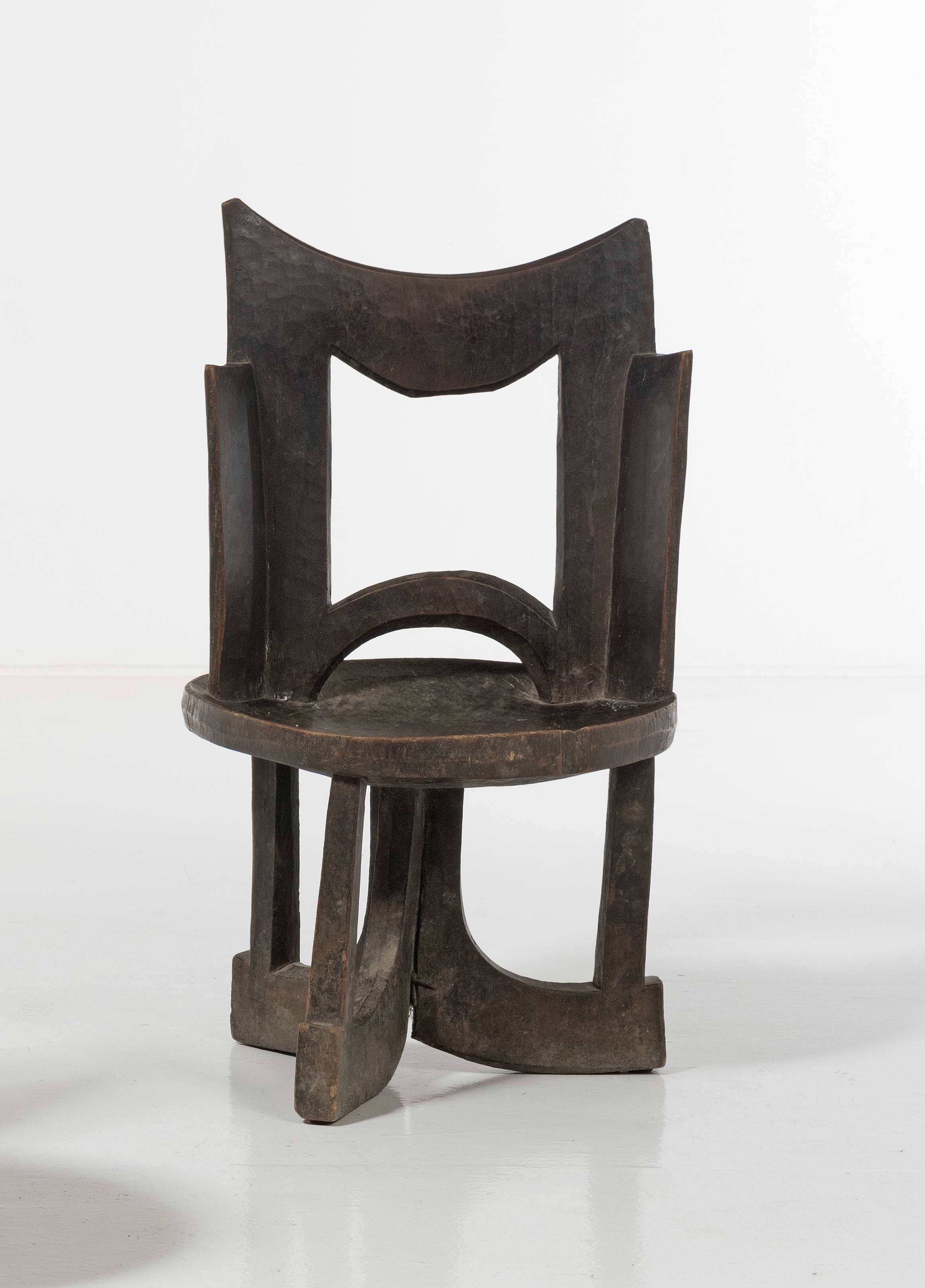
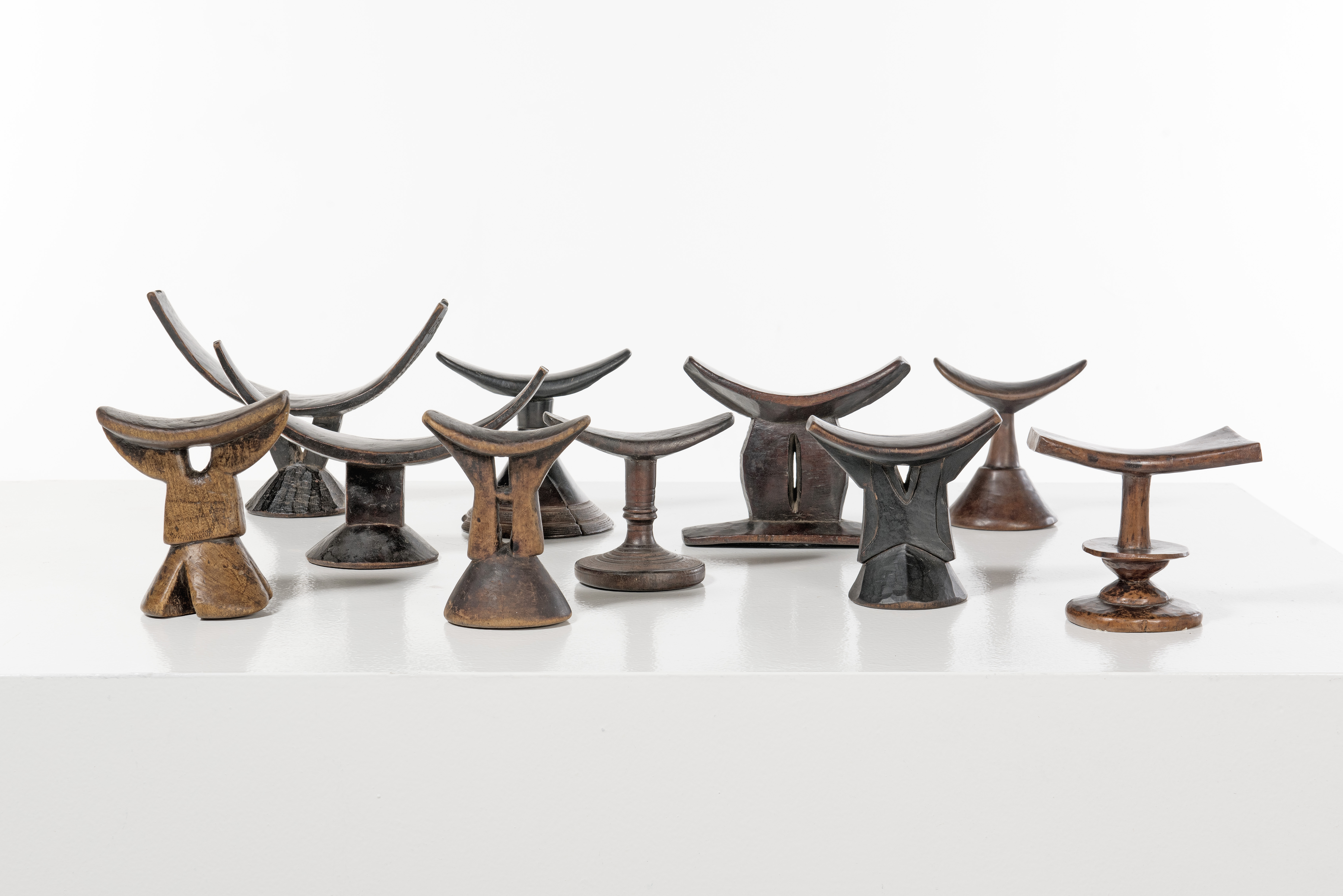
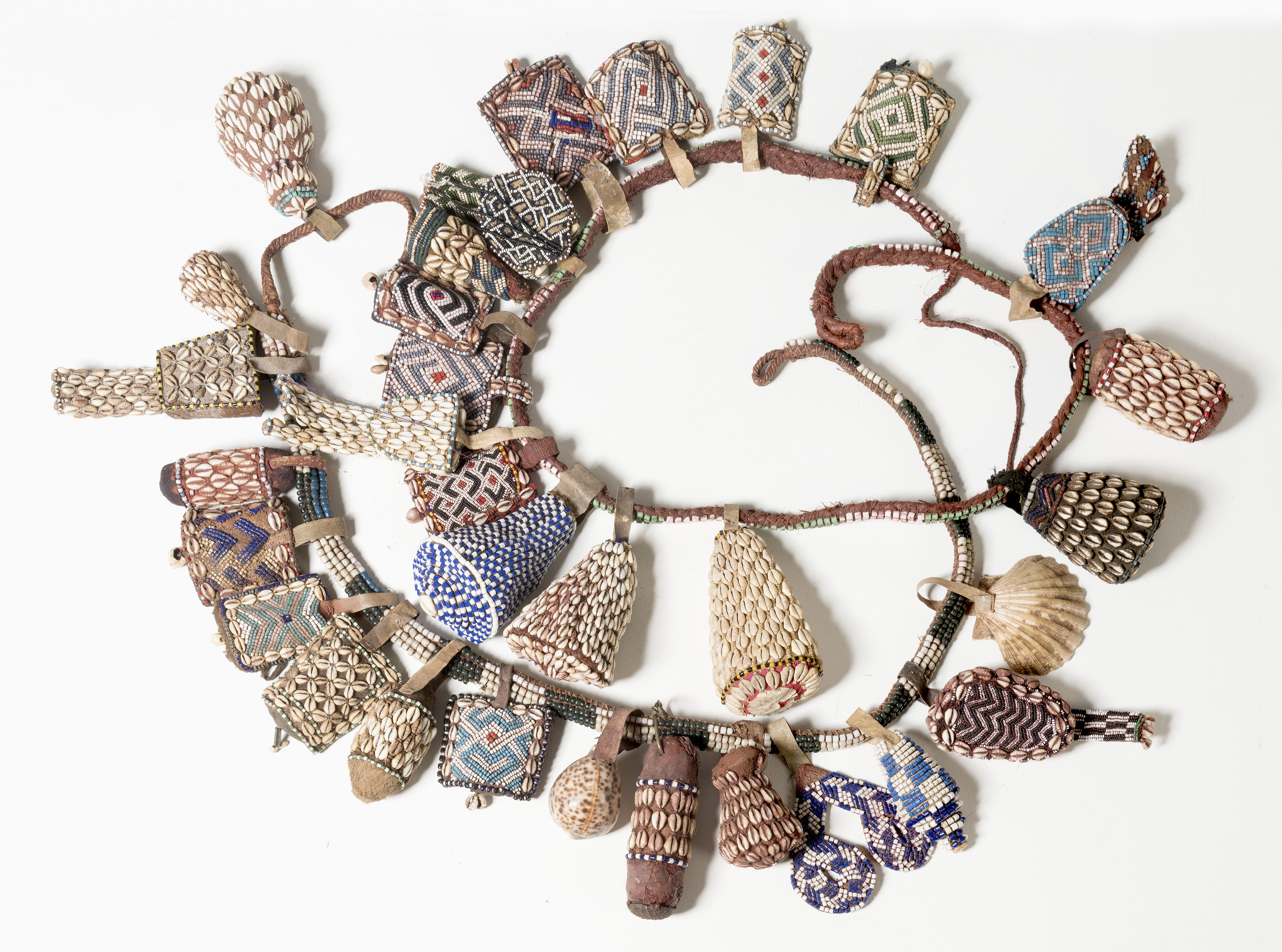
On September 17 and 18, PIASA put at auction the rich collection of Pierre Loos dedicated to the African continent. In two days of sales, three vacations, the first dedicated to ethnographic objects, the second consisting of photographs of Casimir Zagourski and the third presenting 59 rare paintings of modern Congolese art made between 1929 and 1960, gathered nearly 700 lots. From his first trips to the Congo, Pierre Loos became aware of the artistic importance of the Congolese artists of the Modern School and collected works that had remained in the shadow of the first arts. The extraordinary ensemble that he patiently gathered today is one of the most important in the world; a part of his paintings was the core of the exhibition "Beauté Congo" presented at the Fondation Cartier in 2014, and gave this creation a new visibility.
SOME SIGNIFICANT RESULTS:
PHOTOGRAPHS : CASIMIR ZAGOURSKI
Already conscious of living the last moments of an Africa spared by modernity, he documents peoples and their customs. Scenes of everyday life, architectural elements, costumes, panoramas are photographed according to a serial method, repetition and accumulation becoming, under the objective of Zagourski, an artistic gesture. Beauty is everywhere: in hairstyles, in nature, in bodies and in looks.
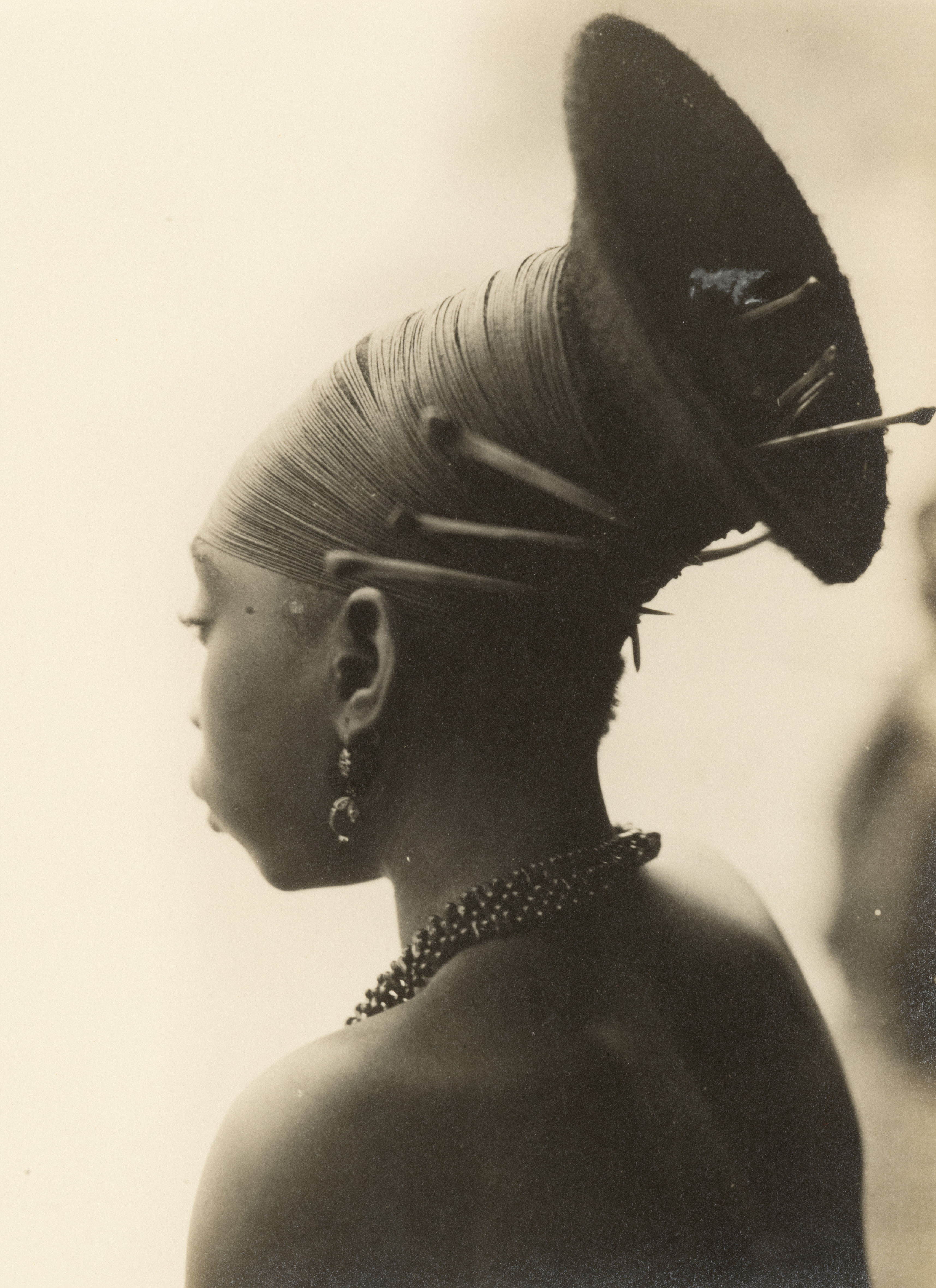
The "Elephant" Album is the great work of Casimir Zagourski, the accomplishment of his work as a photographer including his personal demonstration album. Anxious to commercialize his photographs, he had the idea of gathering them in luxury objects that would all be different, created on demand as prestigious editions. Carefully hand-annotated, each collection is unique: the chosen themes, the number and order of photographs differ from one copy to another. Some develop hairstyles and scarifications, others daily life, others fauna and flora. All, however, have this famous embossed leather cover, specially made by a craftsman, representing an elephant head in profile. Objects of art as well as ethnological testimonies, these albums are at the same time the reveries of a visitor in Africa and an aesthetic manifesto. The series of faces photographed from the front or from the side, with or without jewels, the close-ups of the scarifications taken according to the same framing bring Casimir Zagourski closer to the photographers of the New German Objectivity. His personal album, slightly larger than the others, was used to make the perfect demonstration of this harmonious navigation between memories of travels, modern aesthetics and viceral attachment to a country still spared by the pangs of modernity.
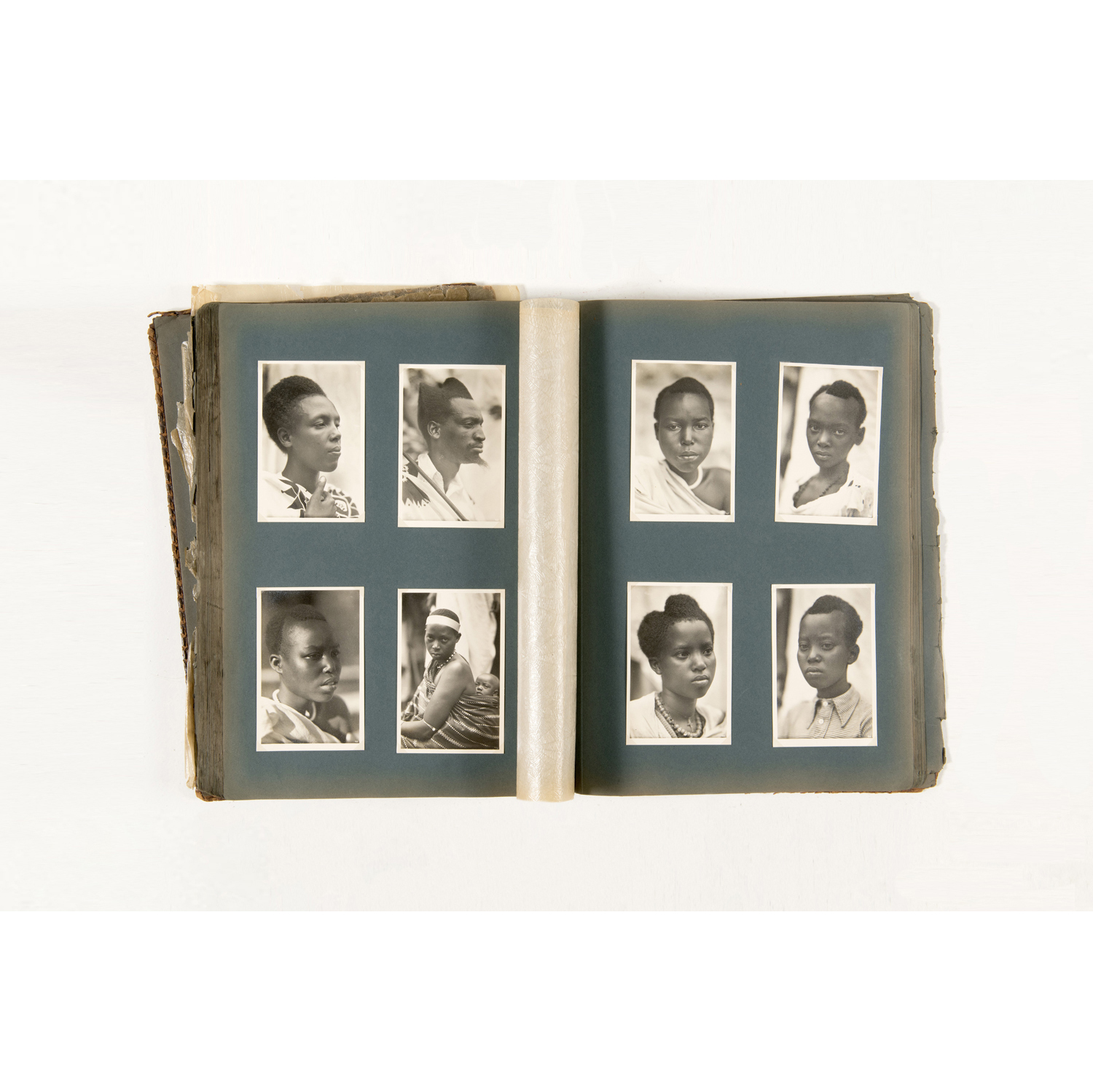
Estimate 10 000 - 15 000 € - Result 19 500 €
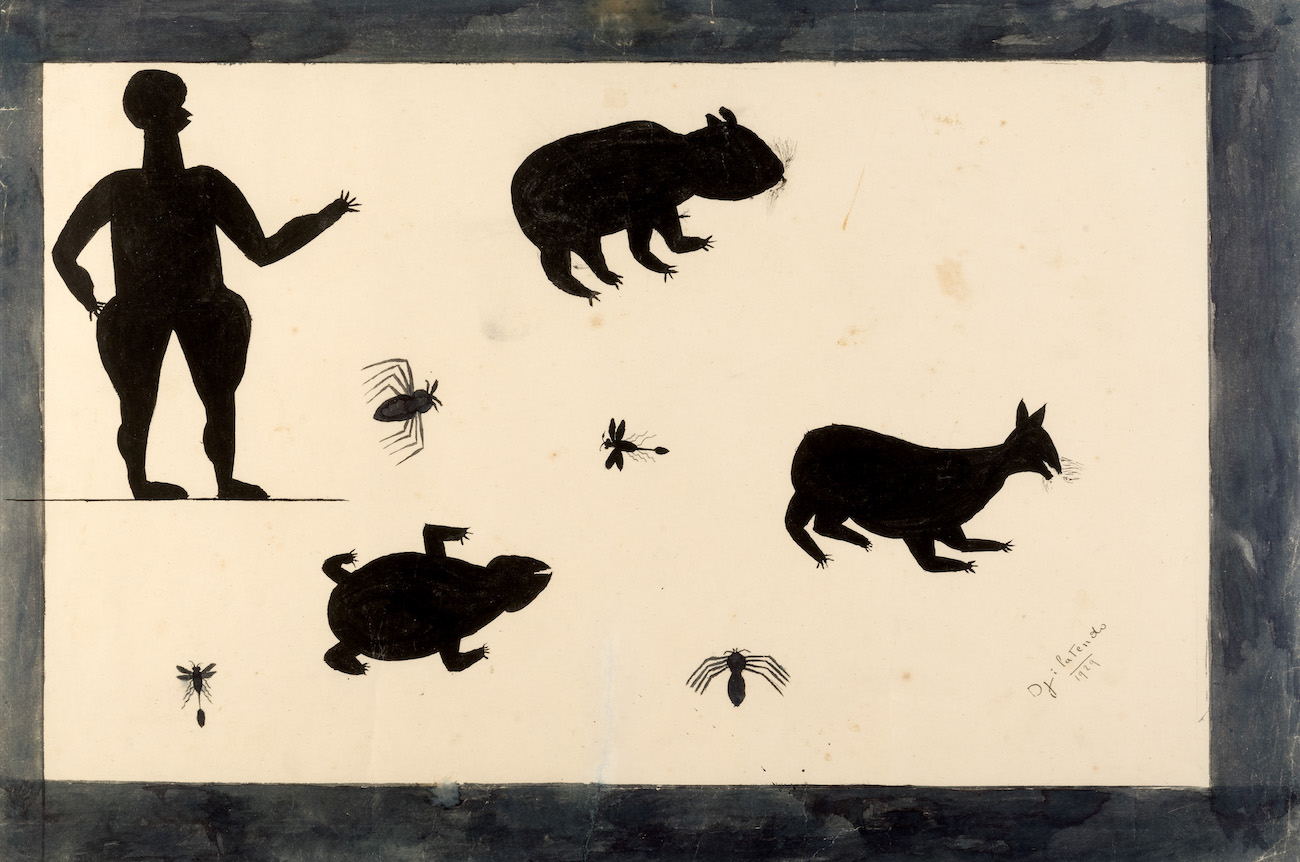
The beginning of the Congolese painting modern period goes back up in the 1920’s. This is when Georges Thiry, Belgian colonial state employee, was surprised by the artistic quality of the decorations which adorn the walls of some huts. Worried about their durability, he decides to supply the authors, Djilatendo and the couple Albert and Antoinette Lubaki, with colors and paper. Thanks to him, this short-lived art reproduced with watercolor can travel. In 1929, Thiry, with the help of his superior Gaston-Denys Périer, exhibit Lubaki in Brussels on the occasion of the Fine Arts Palace inauguration. Other exhibitions will follow, at Geneva Ethnography Museum and then in some Parisian galleries. Thiry met Djilatengo when he was a tailor and the wall of his hut were covered with paintings, that get Thiry’s attention. Djilantendo is a contemporary artist of his time, abstract and figurative, he draws his inspiration from his environment. Either it declines in faded colors the Kasaï carpet patterns, or he represents in black or purple ink shadows characters or animals.
DJILATENDO
PILIPILI
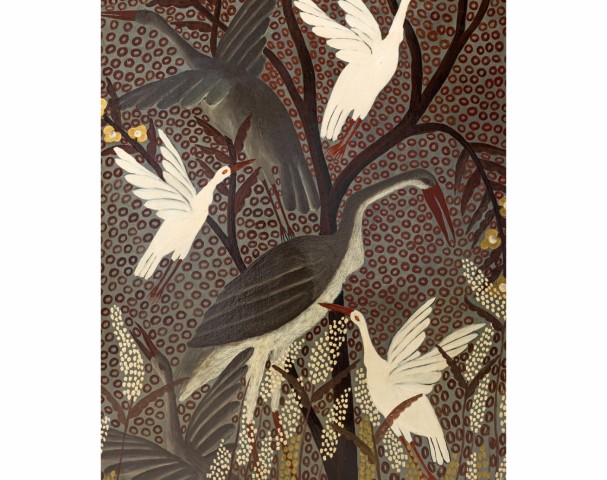
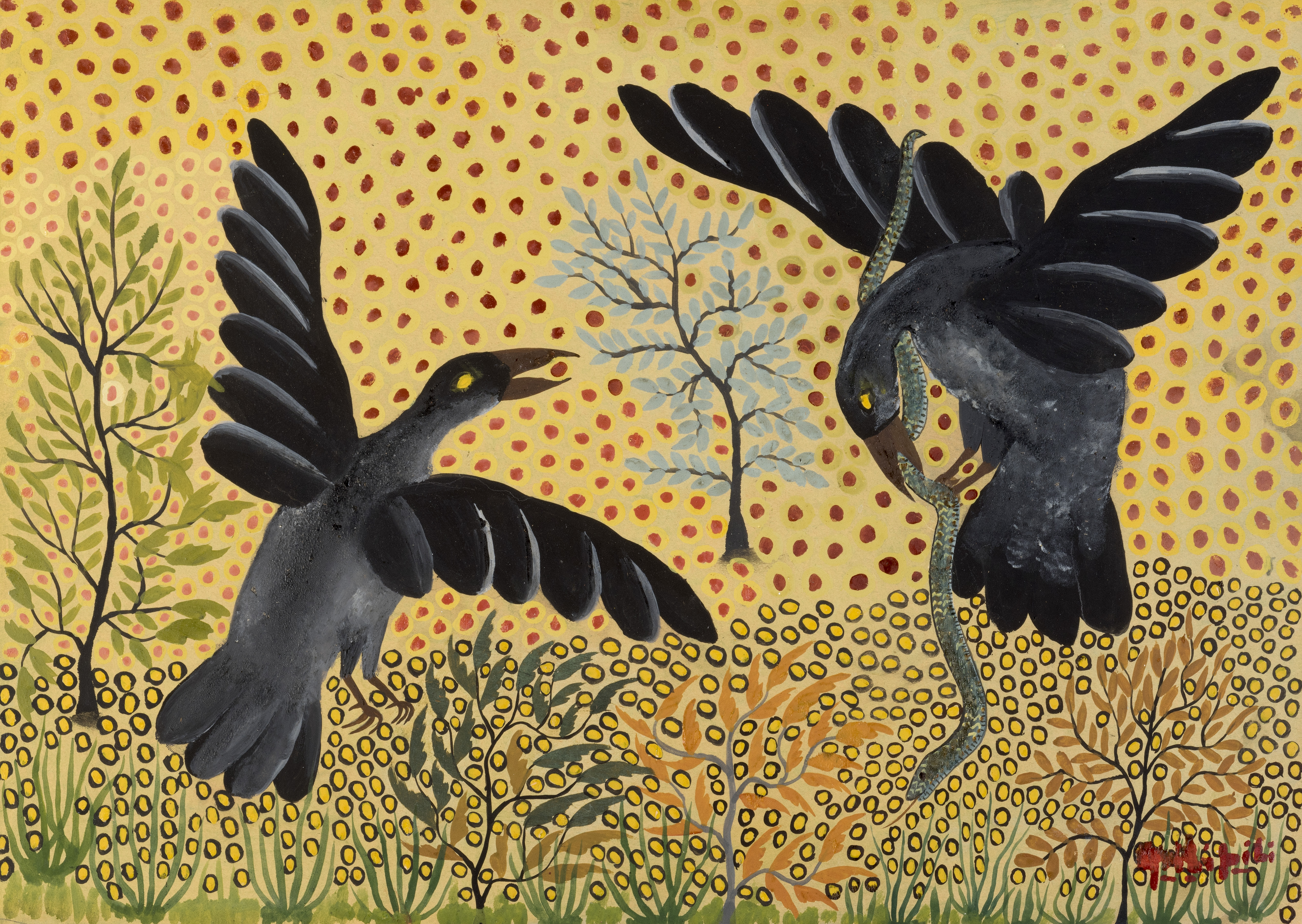
Pilipili is the son of a fisherman who works as a painter and plumber in Public Works when he meets Romain-Desfossés who will integrate him in the Hangar after 1947. He will be one of the most talented artists. If he sometimes applies a decorative style with strong serial and repetitive patterns, the Pilipili's drawings testify mainly of the Nature abundance.
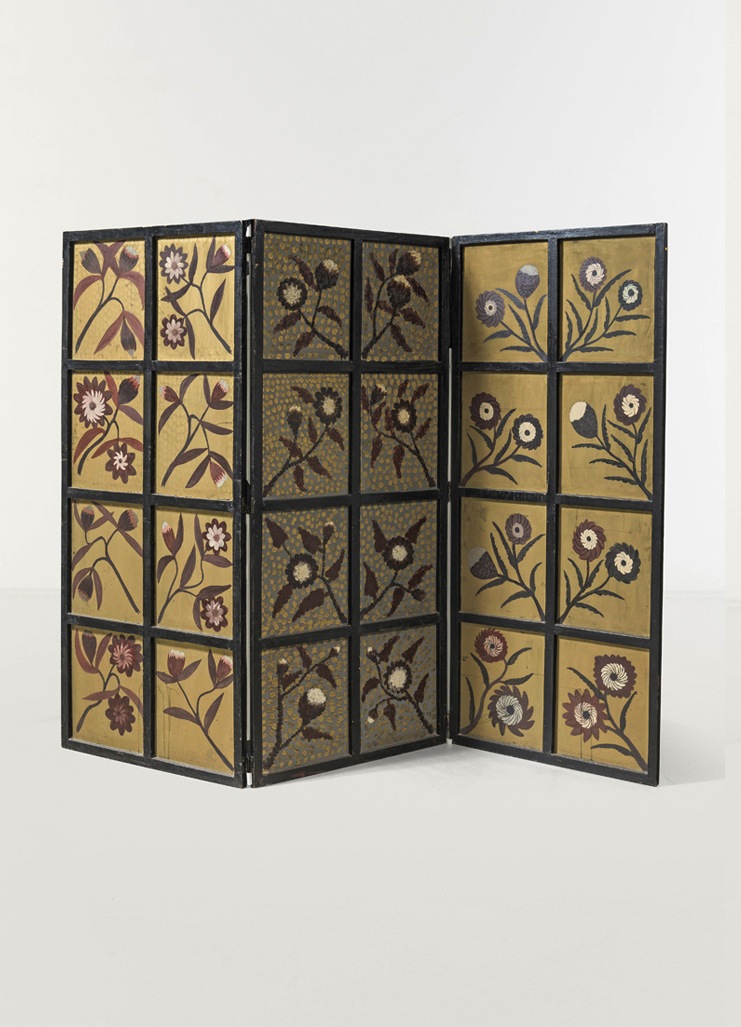
In the manner of La Fontaine’s Fable, on a continent where oral tradition prevails, the shutters of the screen realized with six hands tell rodents on ground, lush vegetation, flying birds, alternating seasons, life and then death.
BELA
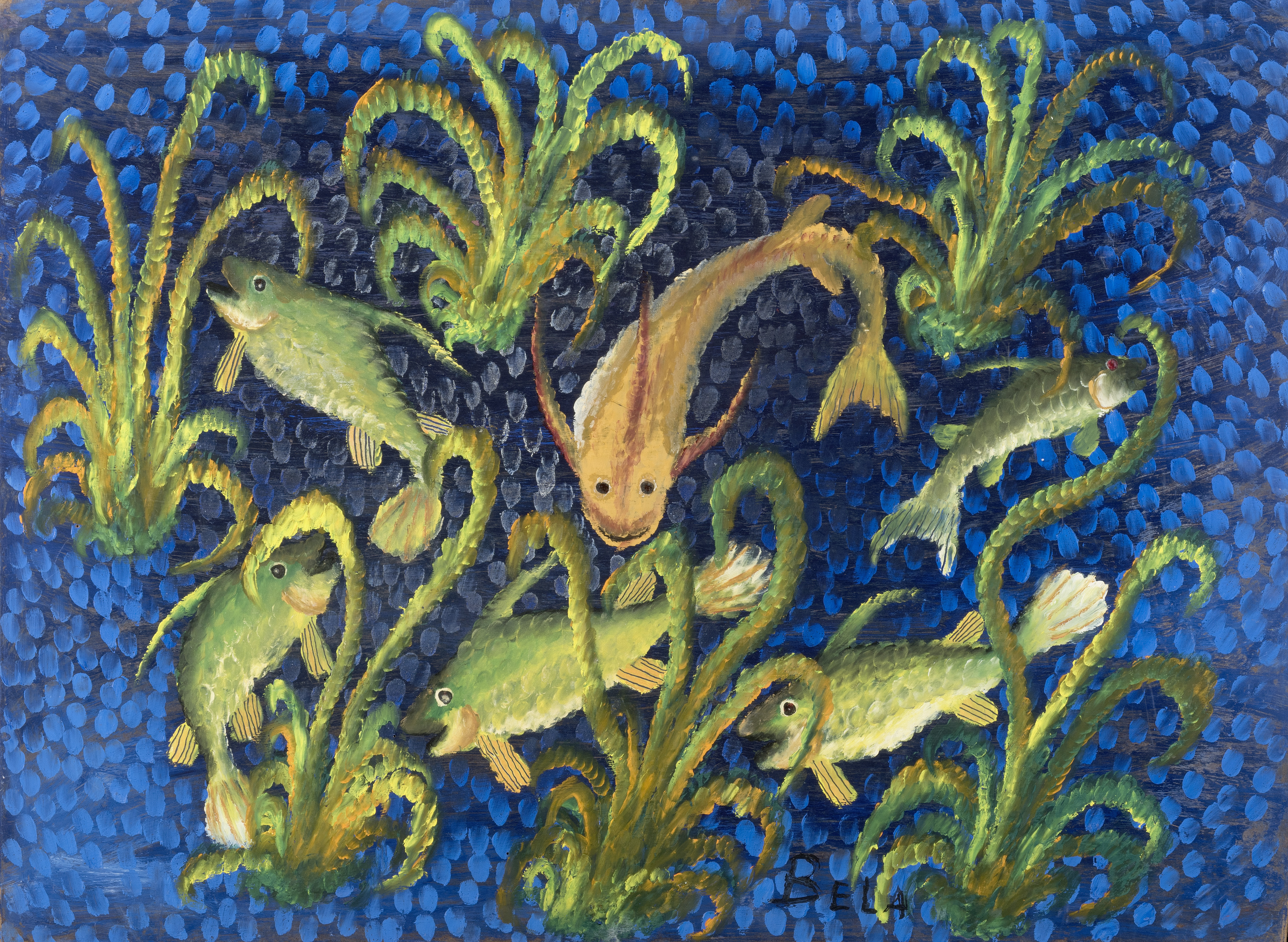
When he arrived in Congo in the early 1940s, Pierre Romain-Desfossés meets his orderly Bela and surprises him creating, engraving subjects in the wood and painting with his fingers. He will encourage him to improve his technique of digital painting. Influenced by Romain-Desfossés, Bela enhances aquatic life and represents hunting scenes in a tawny savannah. Game hunting or men competitions with wild animals take on a mystical character. Only made by finger painting applications, without any outline, Bela's oils just reach with precision the richness of lake fishes colors. These are as much in their element in the water as when they gush in the air. Bela will follow Pierre Romain-Desfossés all through his journey in Africa.
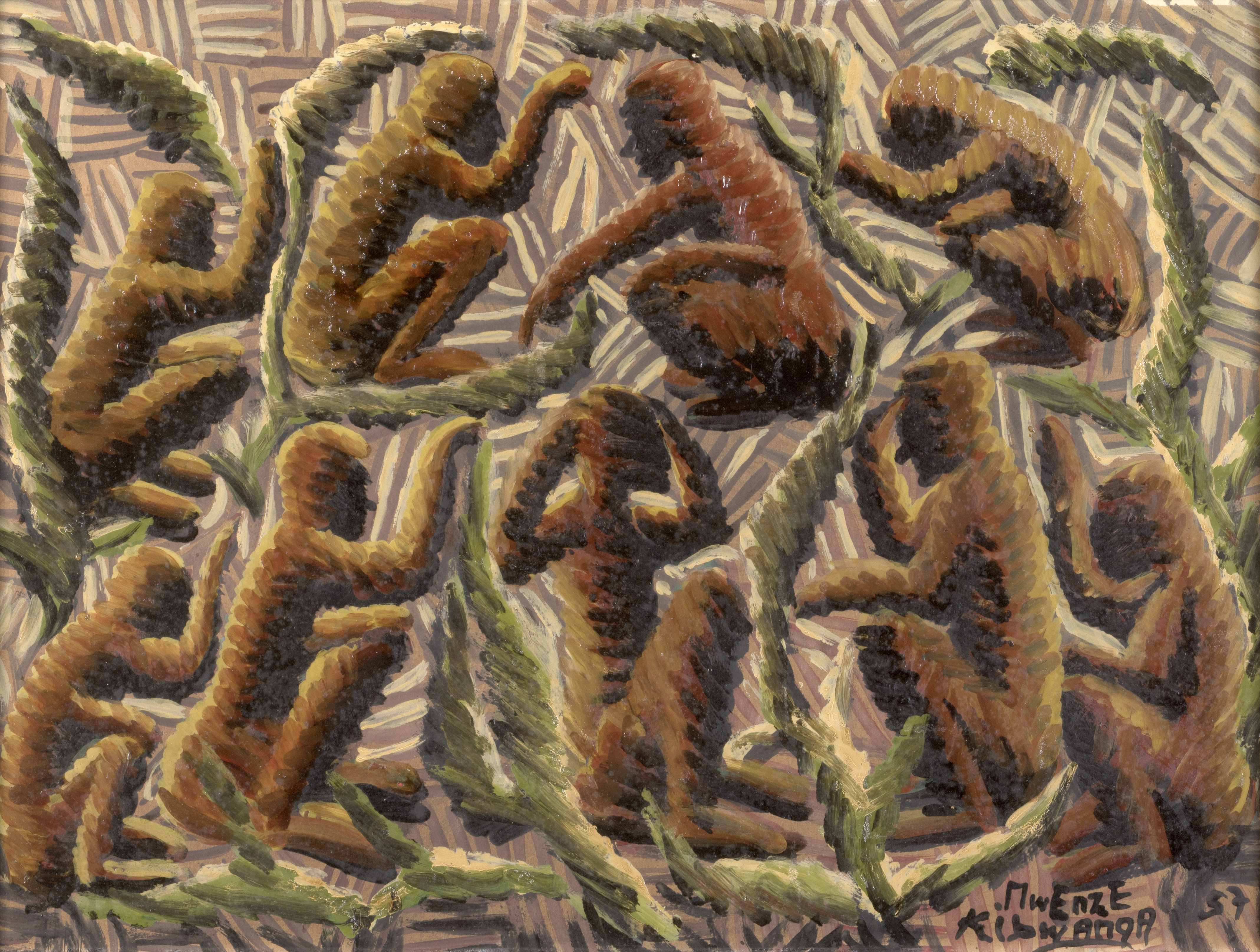
MWENZE
Mwenze is a weaver's son. We find in his work patterns of fabrics and traditional tapestries. After receiving drawing lessons at the Mwanza Protestant Mission, he continued his education at the Methodist home and began making portraits to earn his living. When he joined the hangar workshop, he has already acquired an "academic" style. Romain-Desfossés will encourage him to move away from it to develop his own style, so characteristic, of hatching. The dark and clear lines of painting alternate and make shine the animals, the men, and mystical or religious scenes. Mwenze confronts us with a darker and harder painting. In compositions equally saturated with motifs and life scenes, the characters seem constrained, the animals caught in an invading creepers vegetation that grips. Not only the style but also the subjects treated by Mwenze made him a singular artist.